The Eames House reimagined: the game-changing modular project
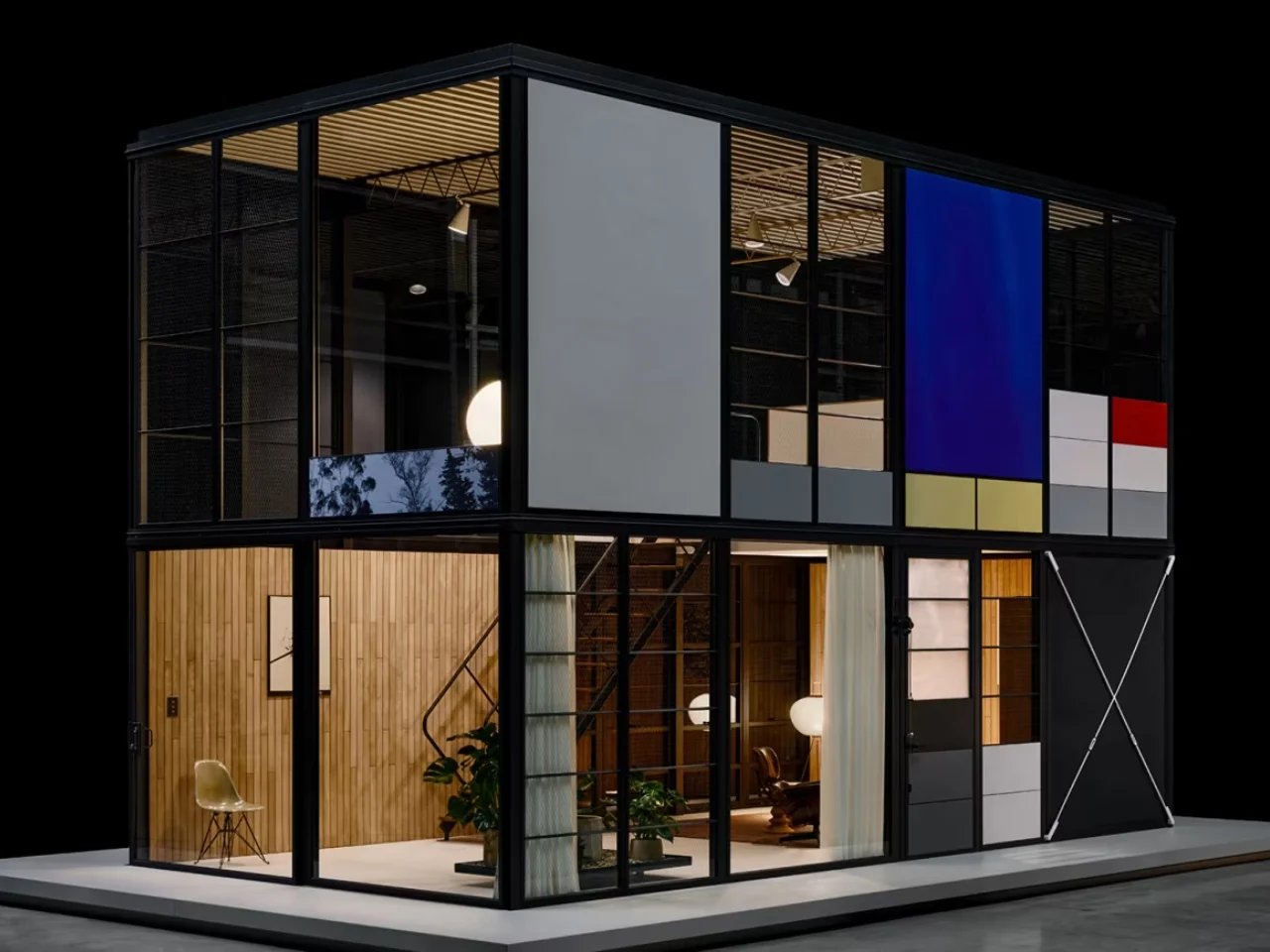
The Eames House, manufactured by Kettal, offers a modular vision of the iconic house. A modern and adaptable approach
Long confined to the realm of ideas, the vision of an accessible Eames House is finally coming to us. This new modular system paves a more concrete path thanks to a dynamic partnership. Some projects span decades like messages left waiting for a reply. The Eames universe is one of them, with an approach that goes far beyond a simple iconic house. Today, this concept takes on a different form thanks to a collaboration between the Eames Office and the Spanish manufacturer Kettal.
The idea is not to reconstruct an existing model, but to activate a logic conceived from the very beginning. Over several years, meticulous work has brought together ideas that had remained in the shadows. These elements outline a more open, almost evolutionary architecture that no longer depends on a single location. The Eames House is comparable to a configurable platform rather than a fixed object.
At the time of its design 80 years ago, the famous Californian house already represented a break with classical standards. Yet its creators did not view it as an end in itself, but as a step along the way. Their vision was of an architecture that was reproducible, adaptable, and accessible to a wider audience. This ambition, which remained theoretical, is now being realized in concrete terms with this new system.
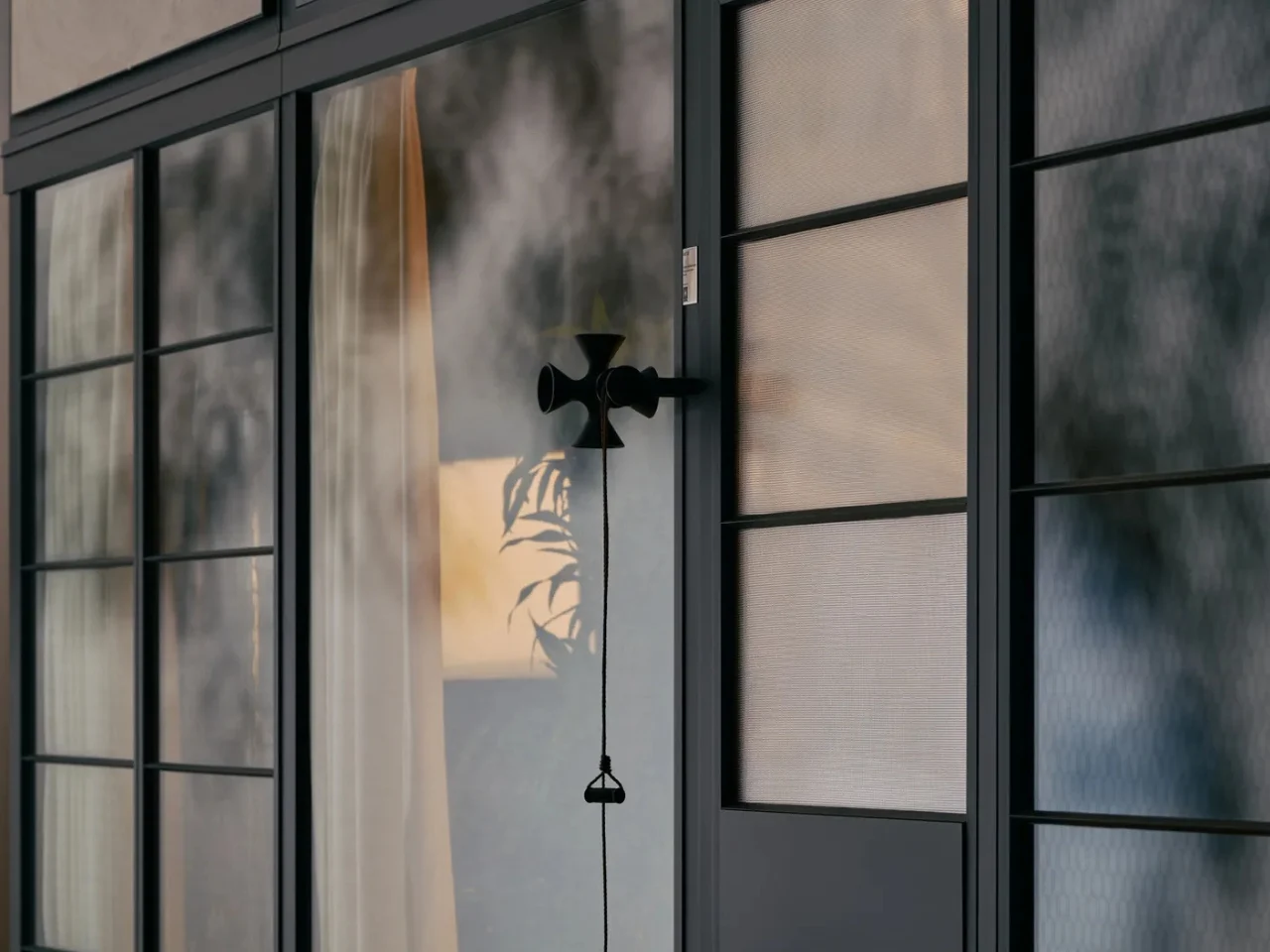
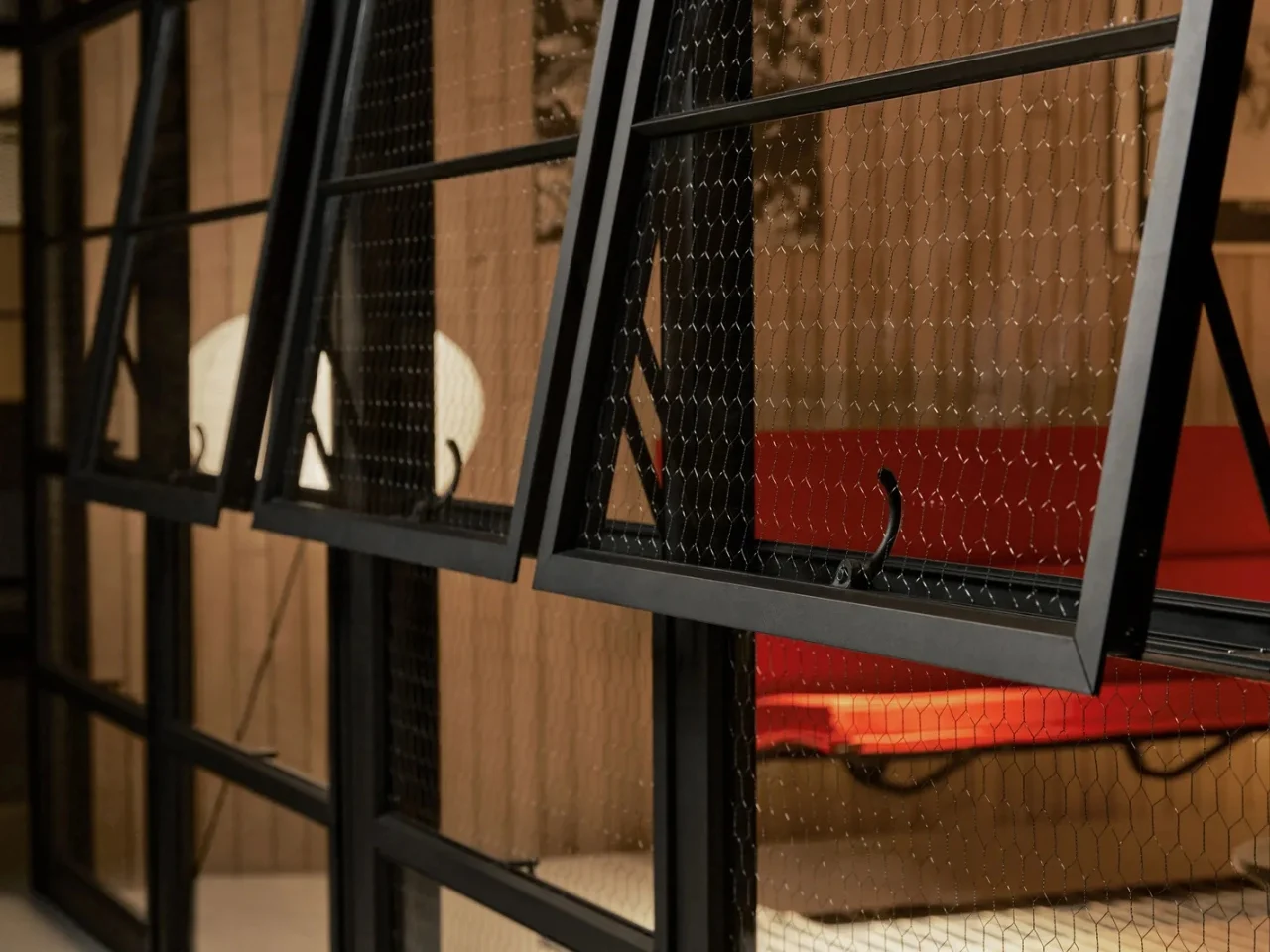
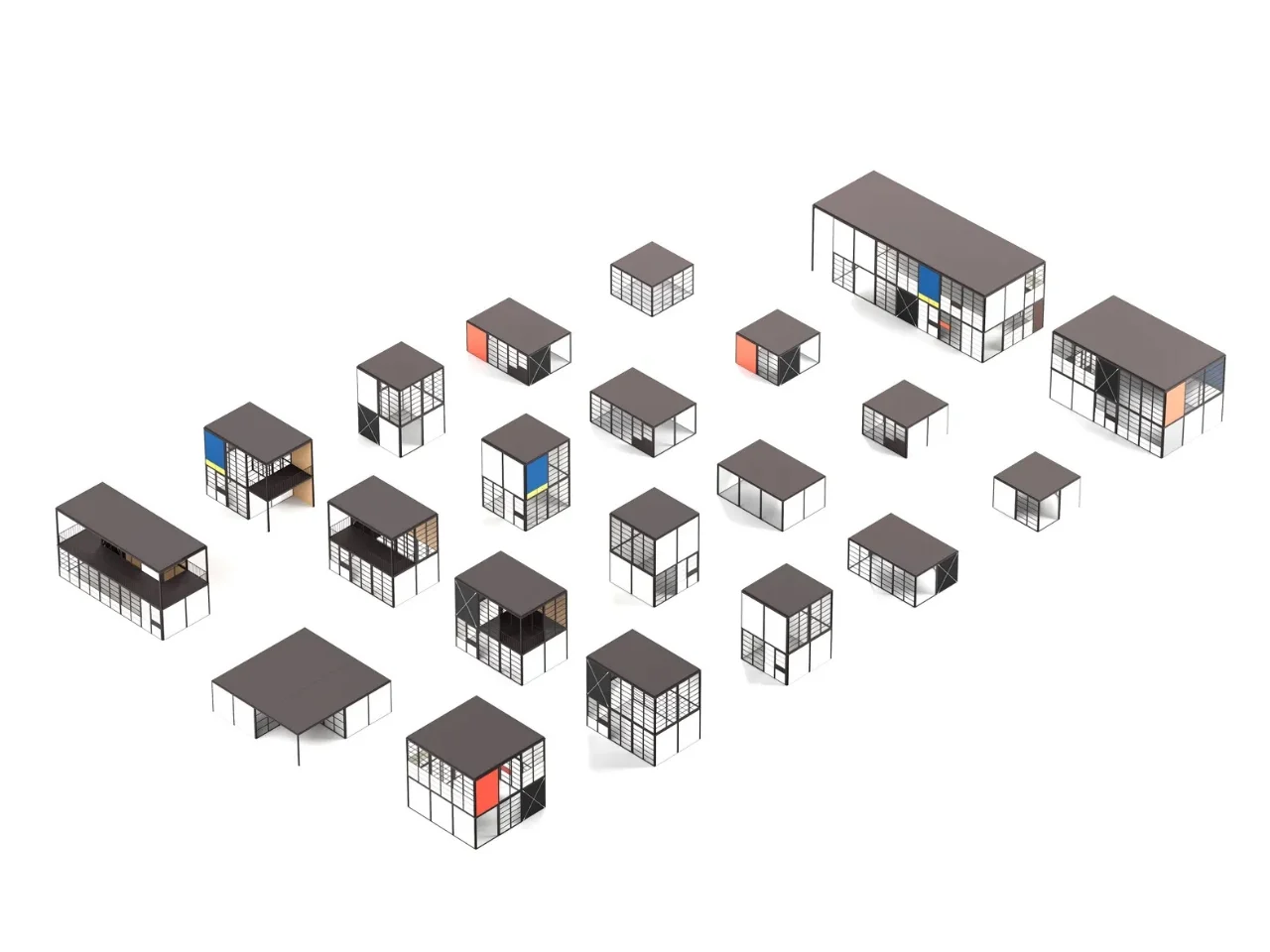
The current approach is based on modules that can be freely assembled. We are no longer talking about a single prototype, but about a modular architectural language. This evolution allows us to move away from the logic of a rare piece and enter into a more open dynamic. On a technical level, the choices made provide a coherent response to contemporary challenges. Aluminum replaces the original steel structures and offers greater durability over time.
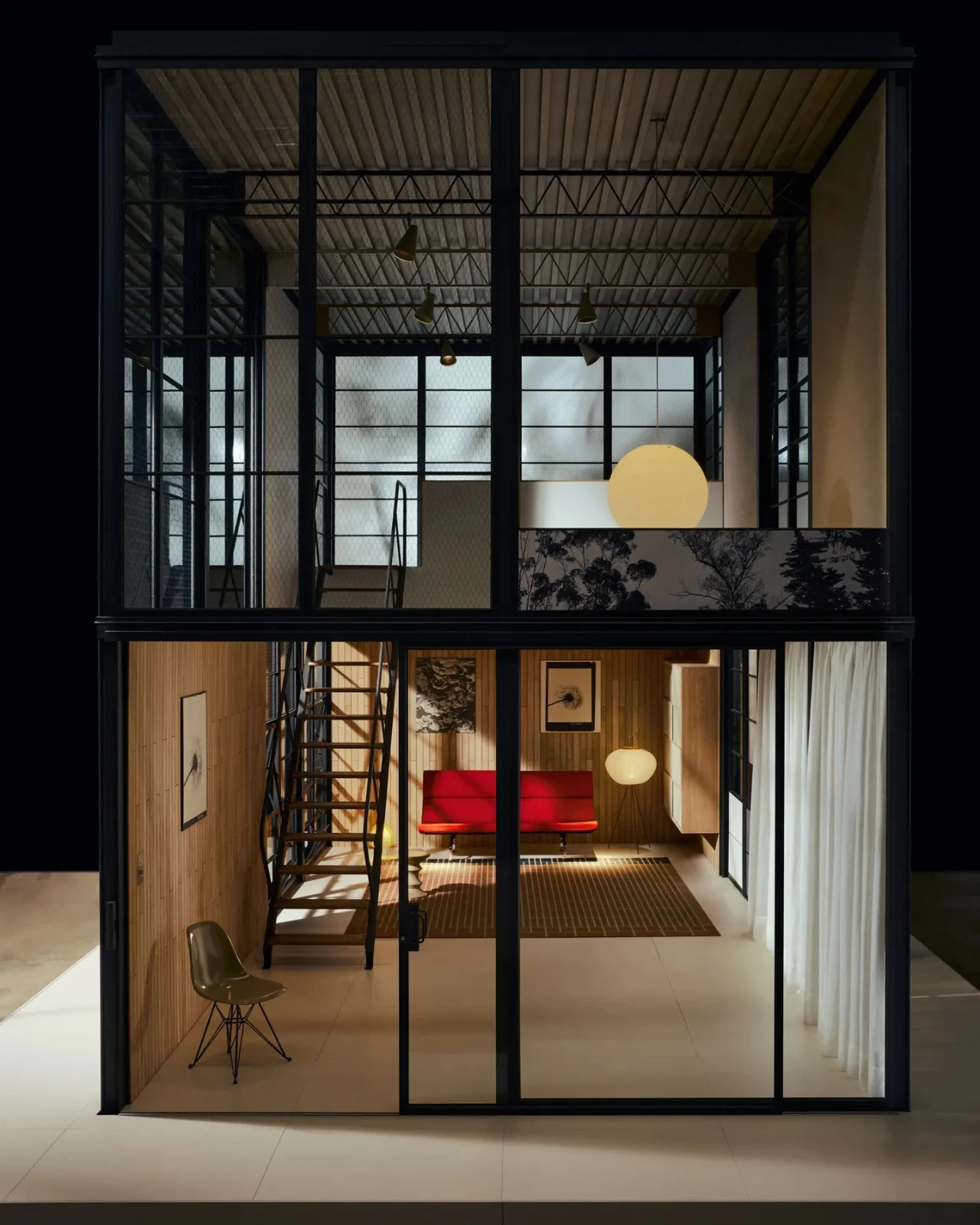
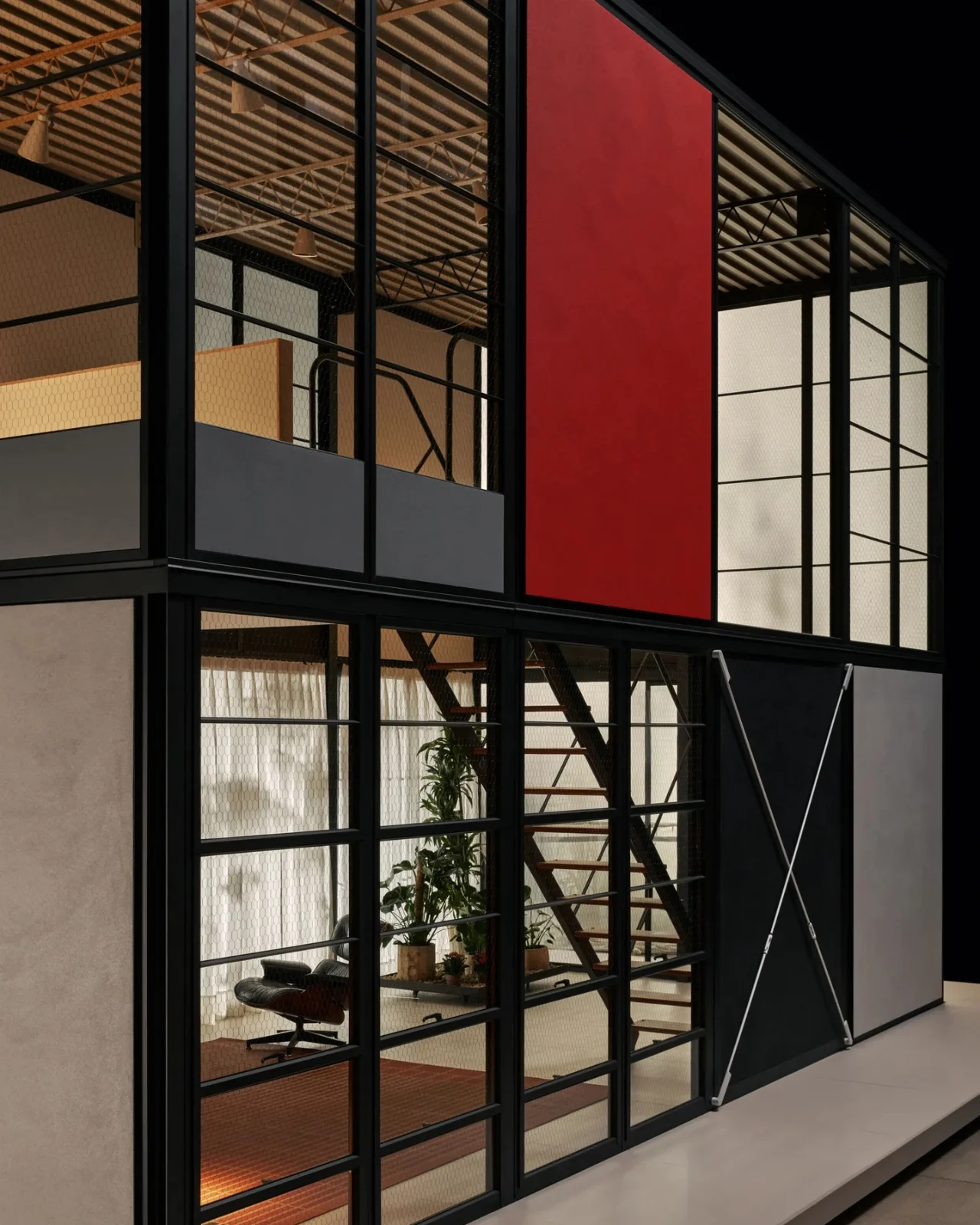
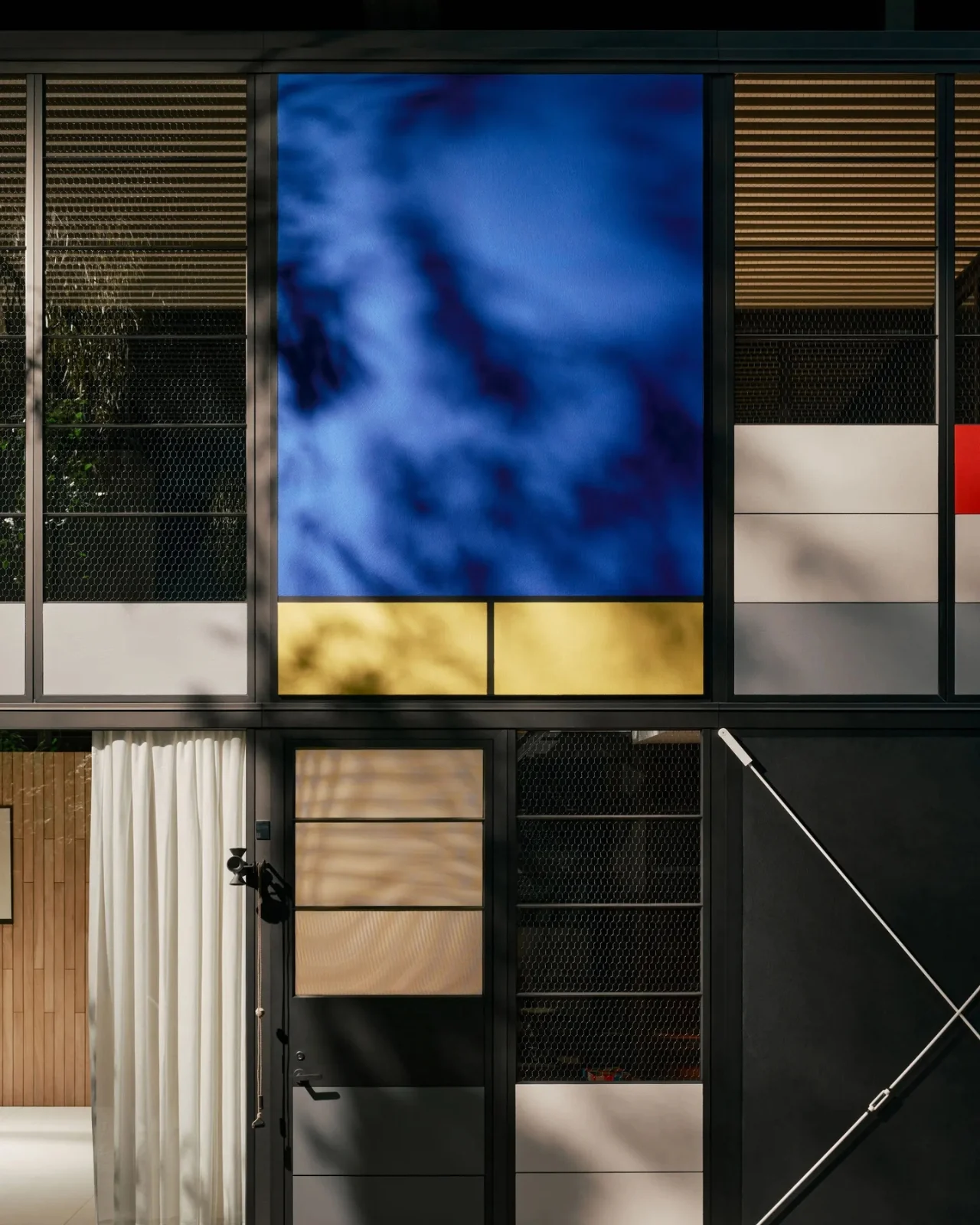
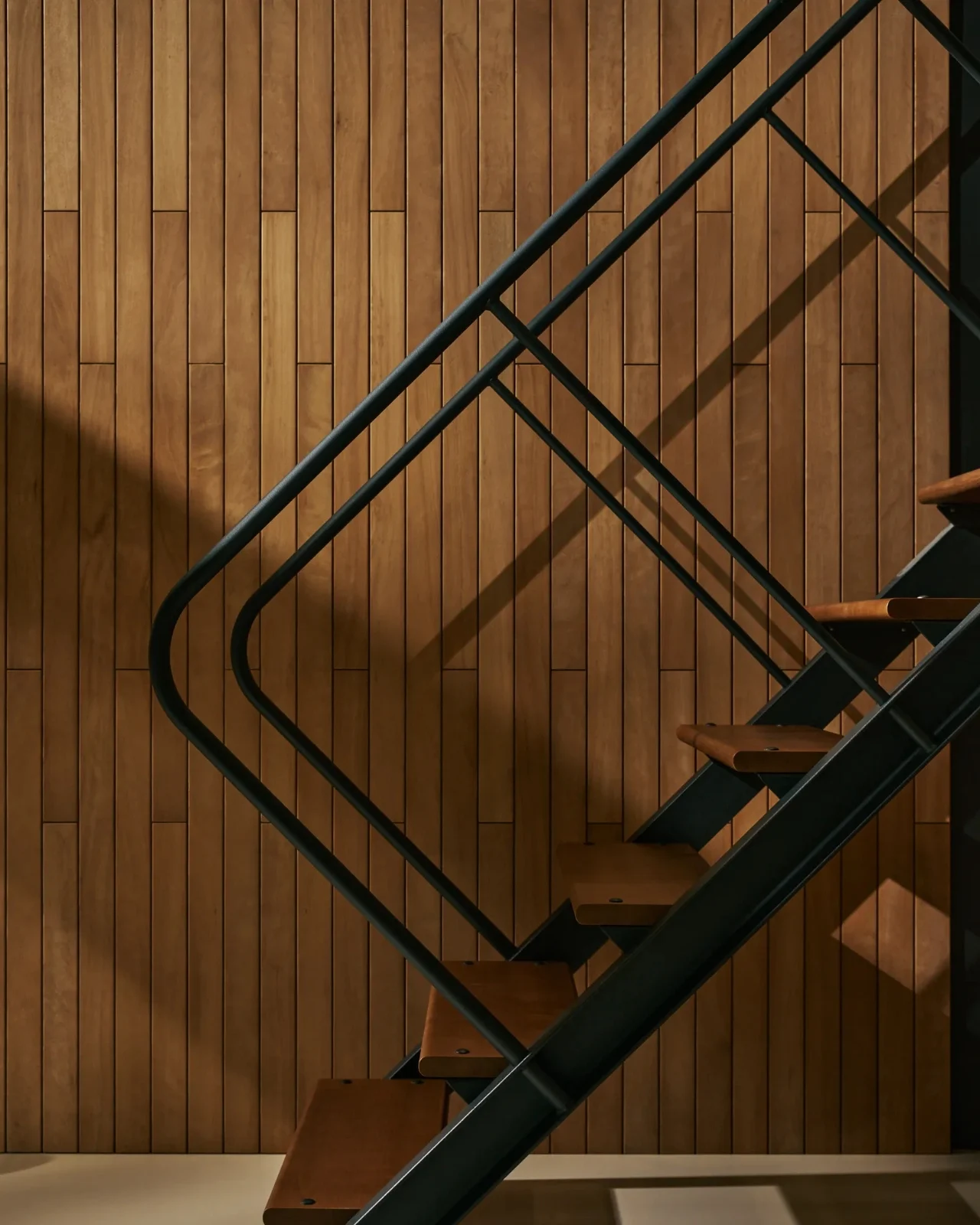
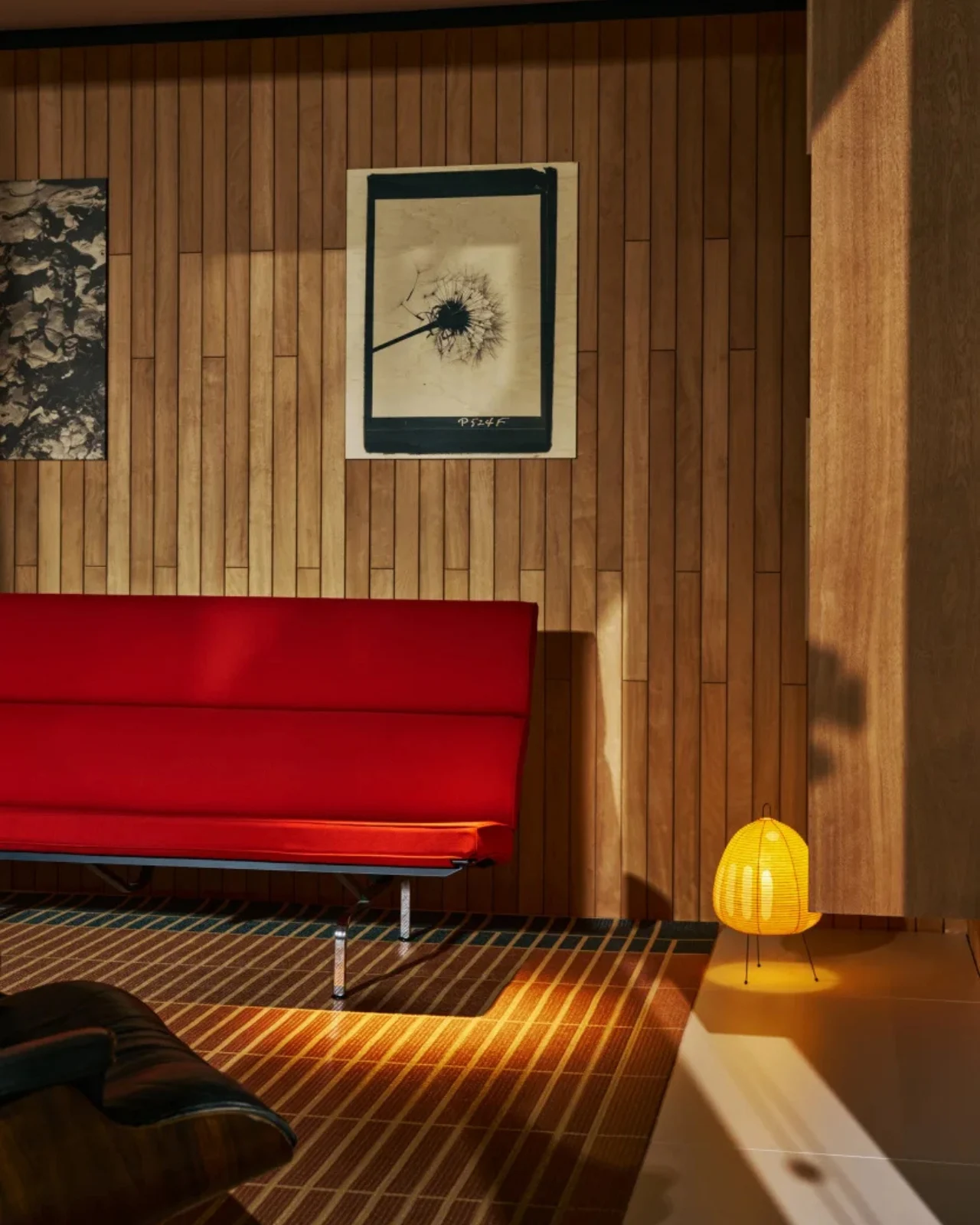
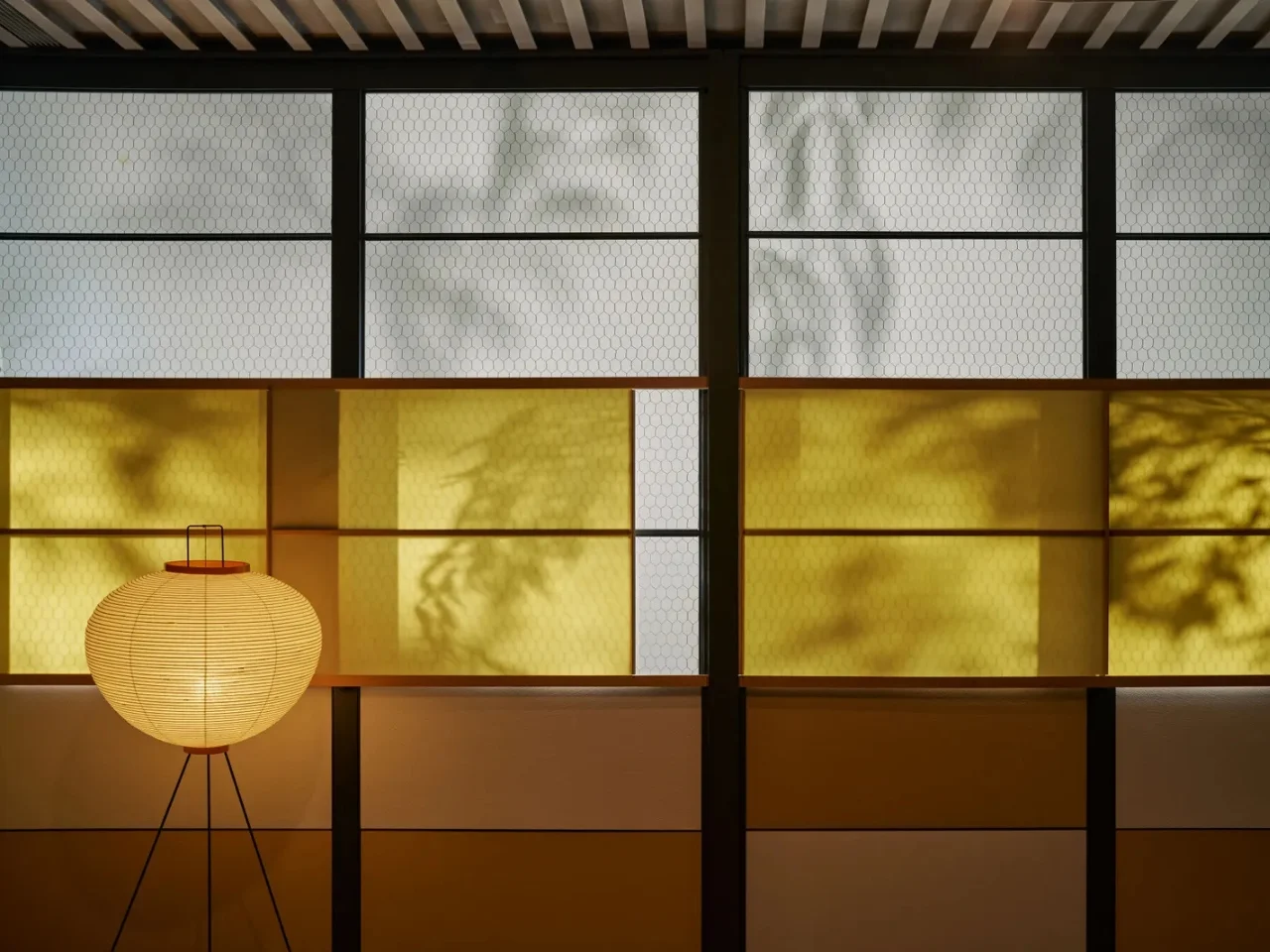
The facades feature colorful panels reminiscent of Mondrian. Large glass surfaces create a sense of space while highlighting the structure. Inside, circulation is straightforward. The whole creates a clear living environment where every element seems designed to adapt to needs.
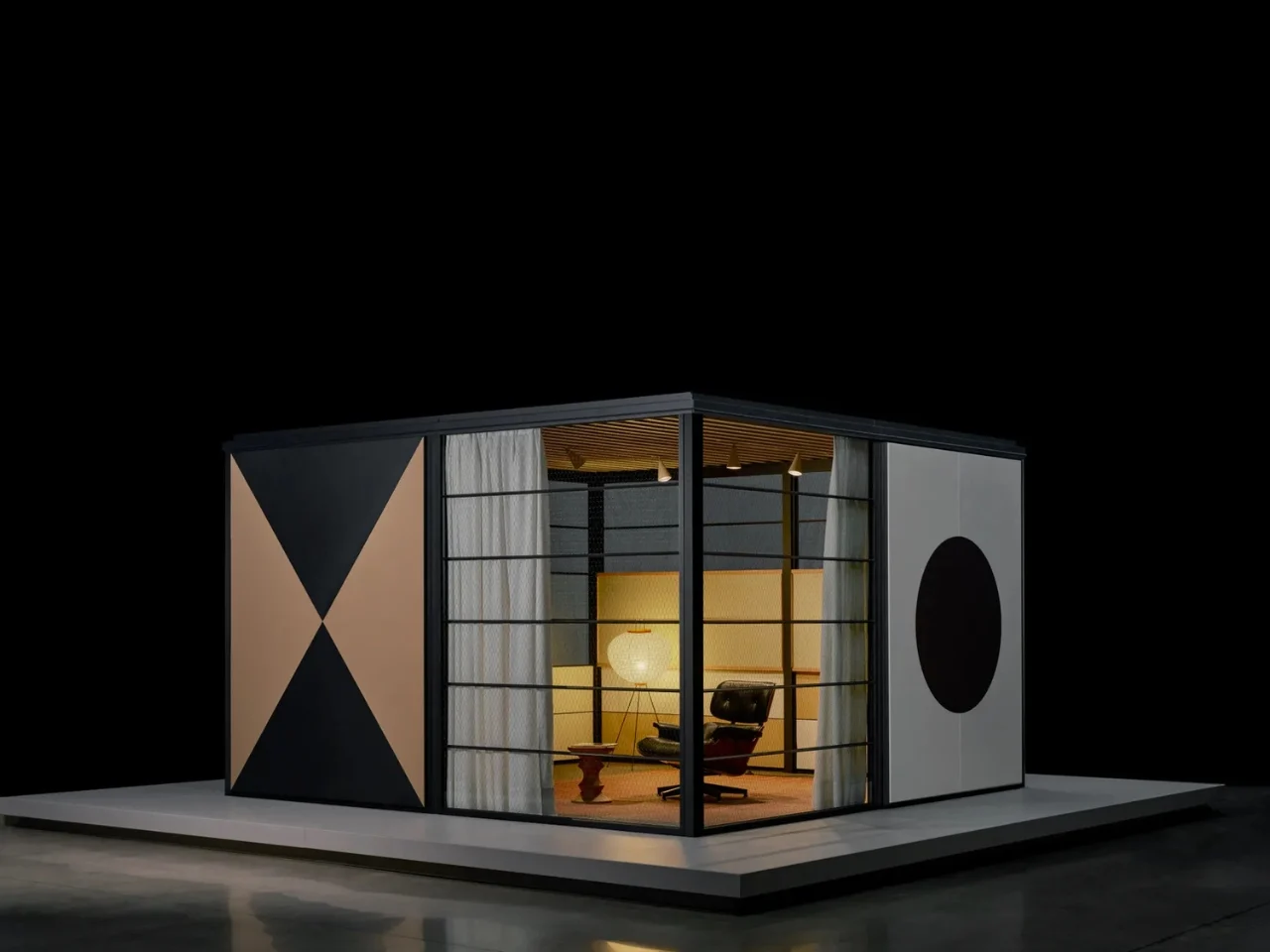
This system opens up a variety of possibilities, ranging from a small independent space to a complete home. A workshop, an office, or an extension become easy options to consider. By combining several modules, it becomes possible to create a two-story home without excessive complexity. Support is provided to adapt each configuration to the constraints of the chosen site.
The official presentation during Milan Design Week highlights the project’s cultural significance. The Eames House will be marketed by Kettal in late 2026 or during 2027

How is this idea taking shape?
The idea is not to reconstruct an existing model, but to activate a logic conceived from the very beginning. Over several years, meticulous work has brought together ideas that had remained in the shadows. These elements outline a more open, almost evolutionary architecture that no longer depends on a single location. The Eames House is comparable to a configurable platform rather than a fixed object.
At the time of its design 80 years ago, the famous Californian house already represented a break with classical standards. Yet its creators did not view it as an end in itself, but as a step along the way. Their vision was of an architecture that was reproducible, adaptable, and accessible to a wider audience. This ambition, which remained theoretical, is now being realized in concrete terms with this new system.
The current approach is based on modules that can be freely assembled. We are no longer talking about a single prototype, but about a modular architectural language. This evolution allows us to move away from the logic of a rare piece and enter into a more open dynamic. On a technical level, the choices made provide a coherent response to contemporary challenges. Aluminum replaces the original steel structures and offers greater durability over time.
What does the Eames house look like?
The facades feature colorful panels reminiscent of Mondrian. Large glass surfaces create a sense of space while highlighting the structure. Inside, circulation is straightforward. The whole creates a clear living environment where every element seems designed to adapt to needs.
This system opens up a variety of possibilities, ranging from a small independent space to a complete home. A workshop, an office, or an extension become easy options to consider. By combining several modules, it becomes possible to create a two-story home without excessive complexity. Support is provided to adapt each configuration to the constraints of the chosen site.
The official presentation during Milan Design Week highlights the project’s cultural significance. The Eames House will be marketed by Kettal in late 2026 or during 2027


Commentaires