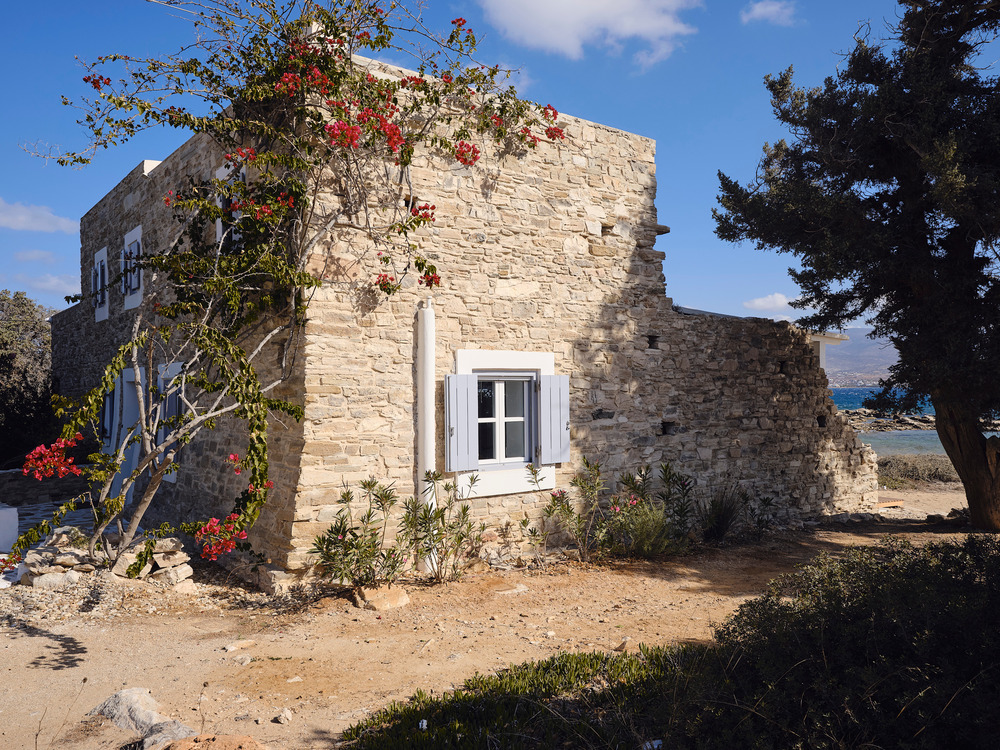
Un ancien pressoir à vin métamorphosé en maison de plage en pierres
Suivez Planète Déco sur Google — ajoutez-nous à vos favoris pour retrouver nos articles déco dans votre fil d'actualitésLa maison Patitiri, est ancien pressoir à vin à Antiparos en Grèce, qui a été transformé en maison de plage par des architectes
Sur l’île d’Antiparos en Grèce, la maison Patitiri est un ancien pressoir à vin construit entre 1933 et 1936, qui occupe une position enviable sur le littoral rocheux. Son nom qui signifie « pressoir » en grec, évoque sa fonction première dédiée au foulage du raisin. Les habitants s’y réunissaient autrefois pour écraser les grappes pieds nus et lancer la fermentation. Des vestiges découverts en mer rappellent que la vigne prospérait ici depuis l’Antiquité. Les architectes de ARP – Architecture Research Practice ont choisi une approche de restauration attentive. Malgré l’absence de classement officiel, le bâtiment possède une valeur symbolique forte pour l’île.
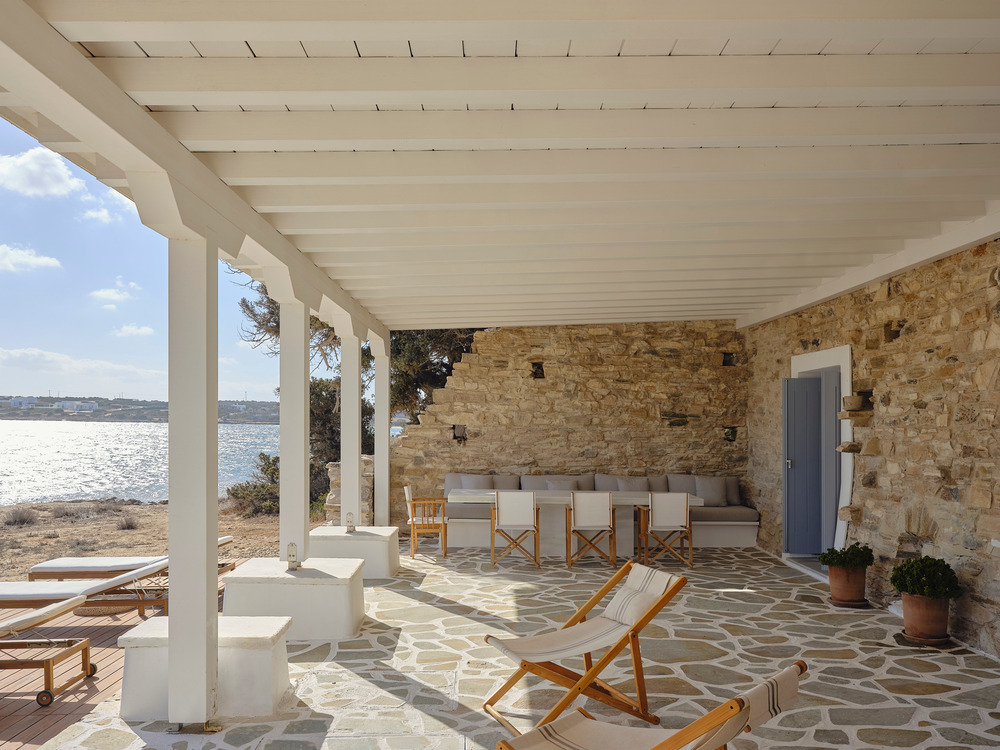
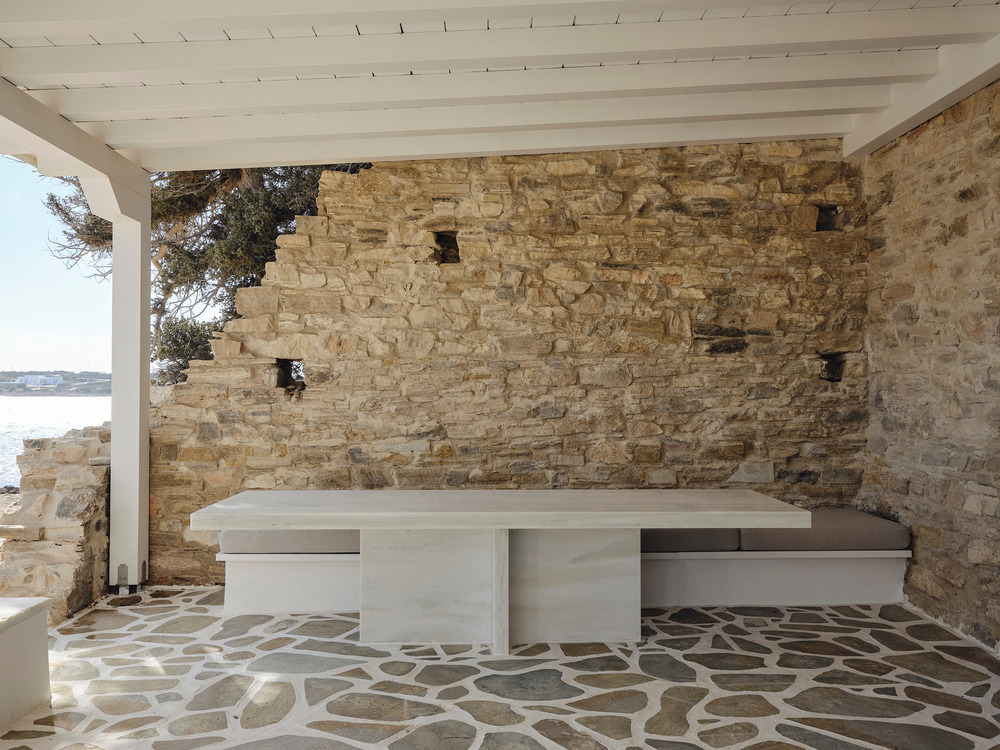
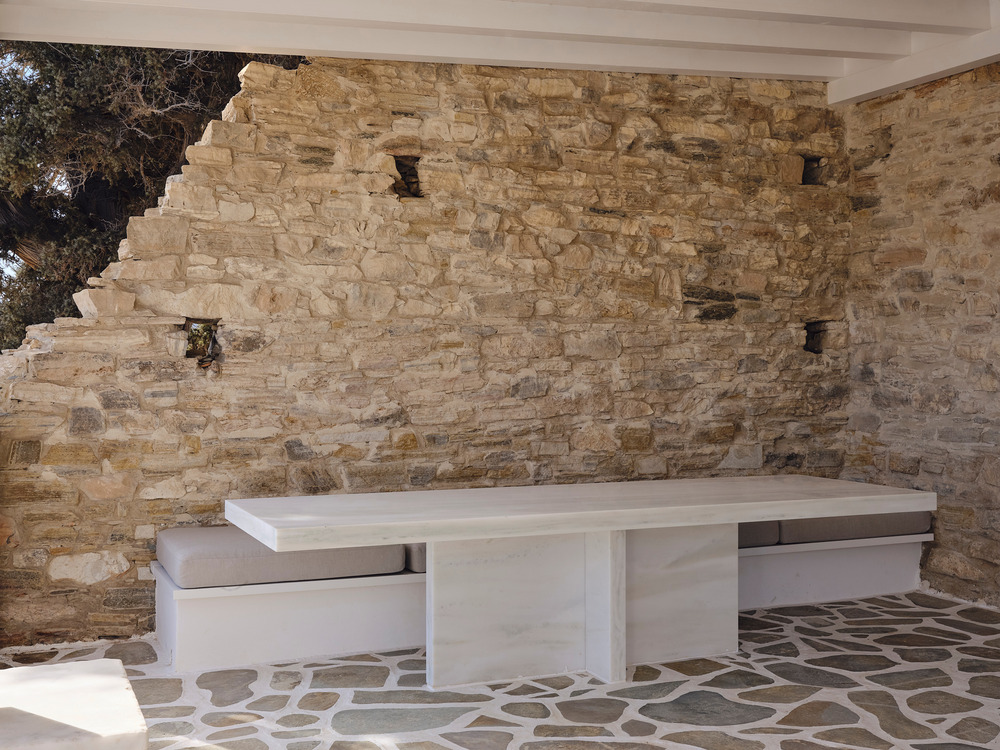
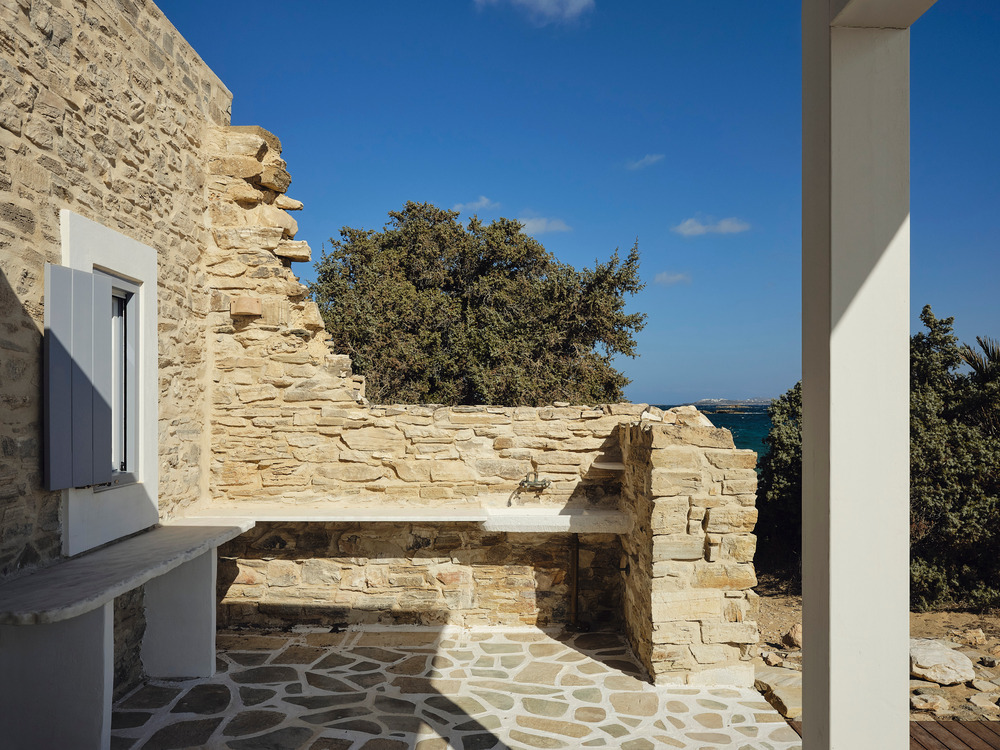
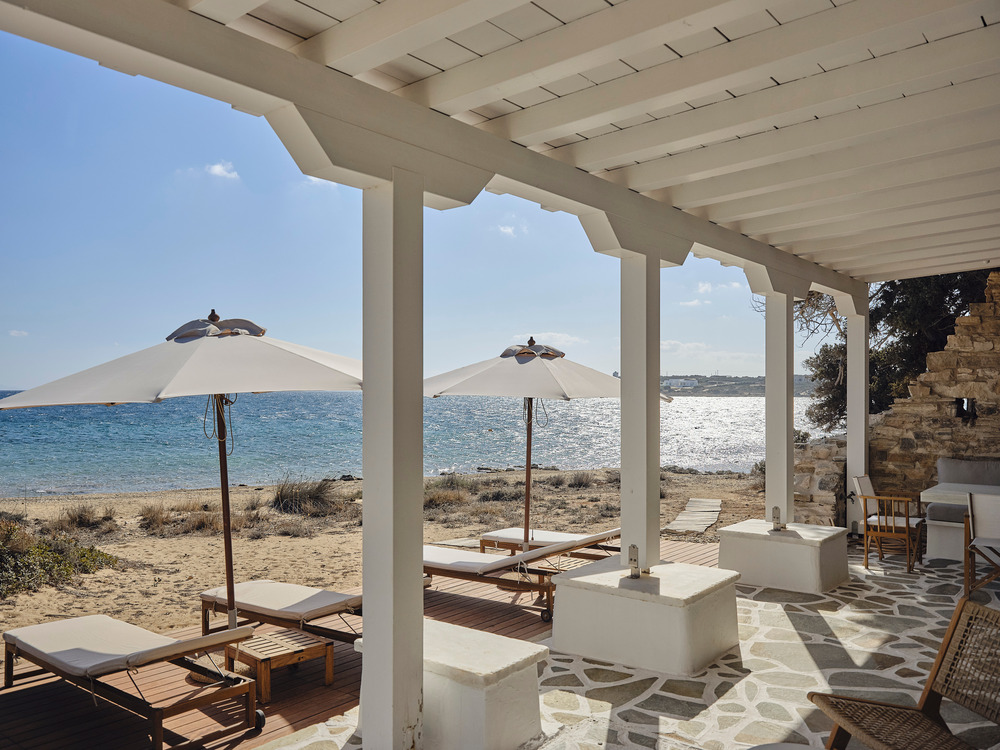
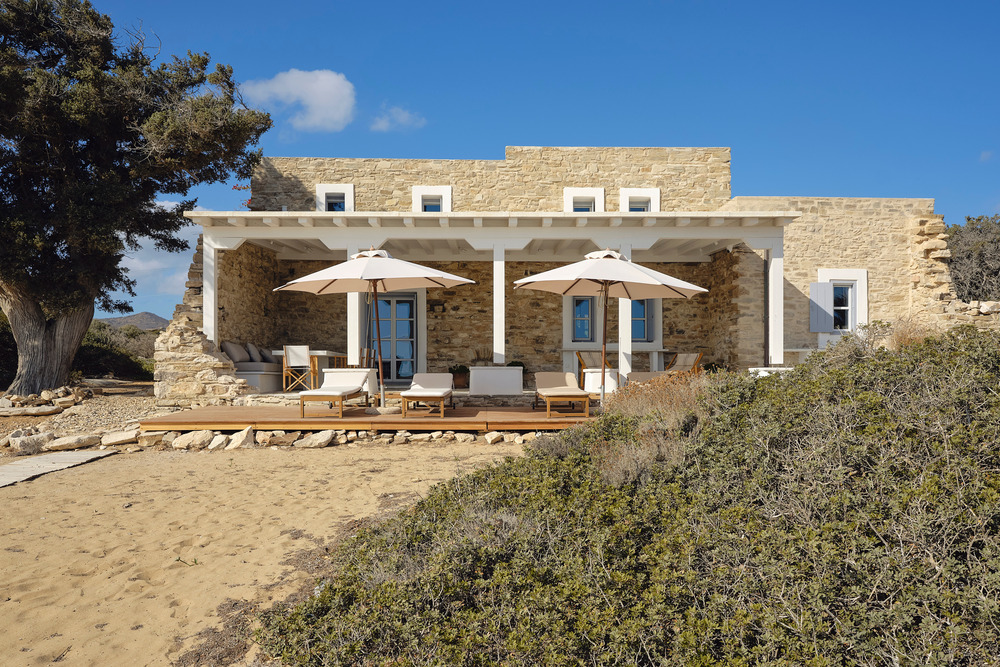
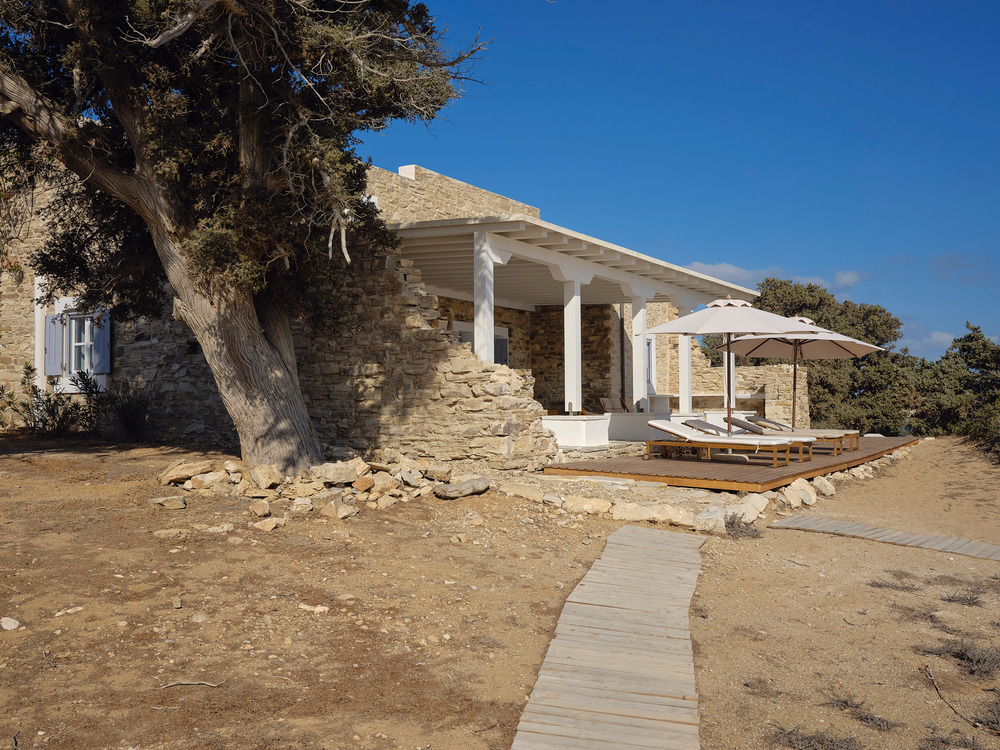
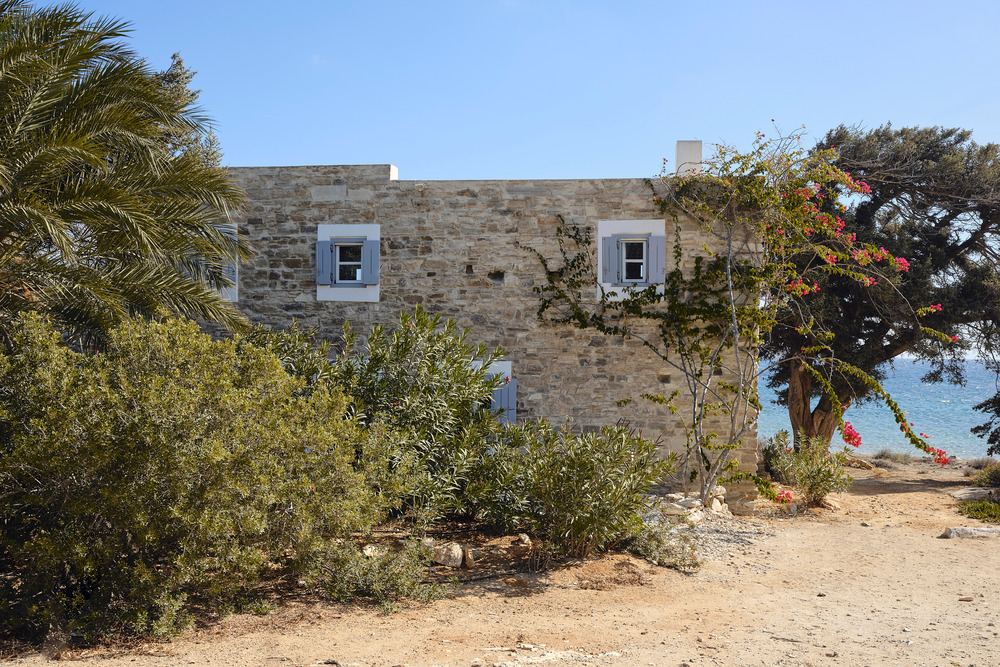
L’enveloppe extérieure a été conservée, avec des murs en pierre restaurés et soigneusement rejointoyés. Les ajouts restent minimes, comme une table en marbre dessinée spécialement pour l’extérieur. À l’intérieur, les matériaux sélectionnés, comme le chêne massif peint et le marbre de Naxos dialoguent avec sobriété. La redistribution des espaces améliore les usages, sans bouleverser l’esprit d’origine du lieu. La décoration s'est faite en couleurs naturelles, et les lignes simples du mobilier s'accordent à merveille avec l'esprit des lieux. La maison Patitiri, cet ancien pressoir à vin, trouve ainsi un équilibre élégant entre héritage local et écriture architecturale actuelle. Photo : Giulio Ghirardi
On the island of Antiparos in Greece, the Patitiri House is a former wine press built between 1933 and 1936, occupying an enviable position on the rocky coastline. Its name, which means ‘wine press’ in Greek, evokes its original function of crushing grapes. The inhabitants used to gather there to crush the grapes barefoot and start the fermentation process. Remains discovered in the sea remind us that vines have flourished here since ancient times. The architects at ARP – Architecture Research Practice opted for a careful restoration approach. Although not officially listed, the building has strong symbolic value for the island.
The exterior envelope has been preserved, with restored and carefully repointed stone walls. Additions are minimal, such as a marble table designed specifically for outdoor use. Inside, the selected materials, such as painted solid oak and Naxos marble, interact with understated elegance. The redistribution of space improves usability without disrupting the original spirit of the place. Its décor features natural colours, and the simple lines of the furniture blend in perfectly with the spirit of the place. The Patitiri House, a former wine press, thus strikes an elegant balance between local heritage and contemporary architectural style. Photo: Giulio Ghirardi
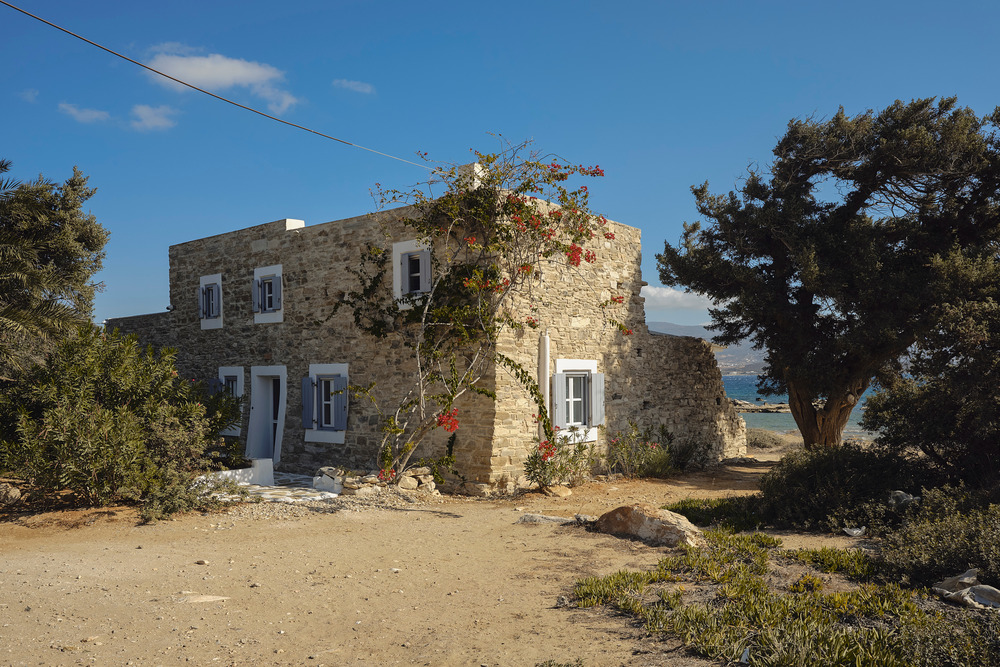

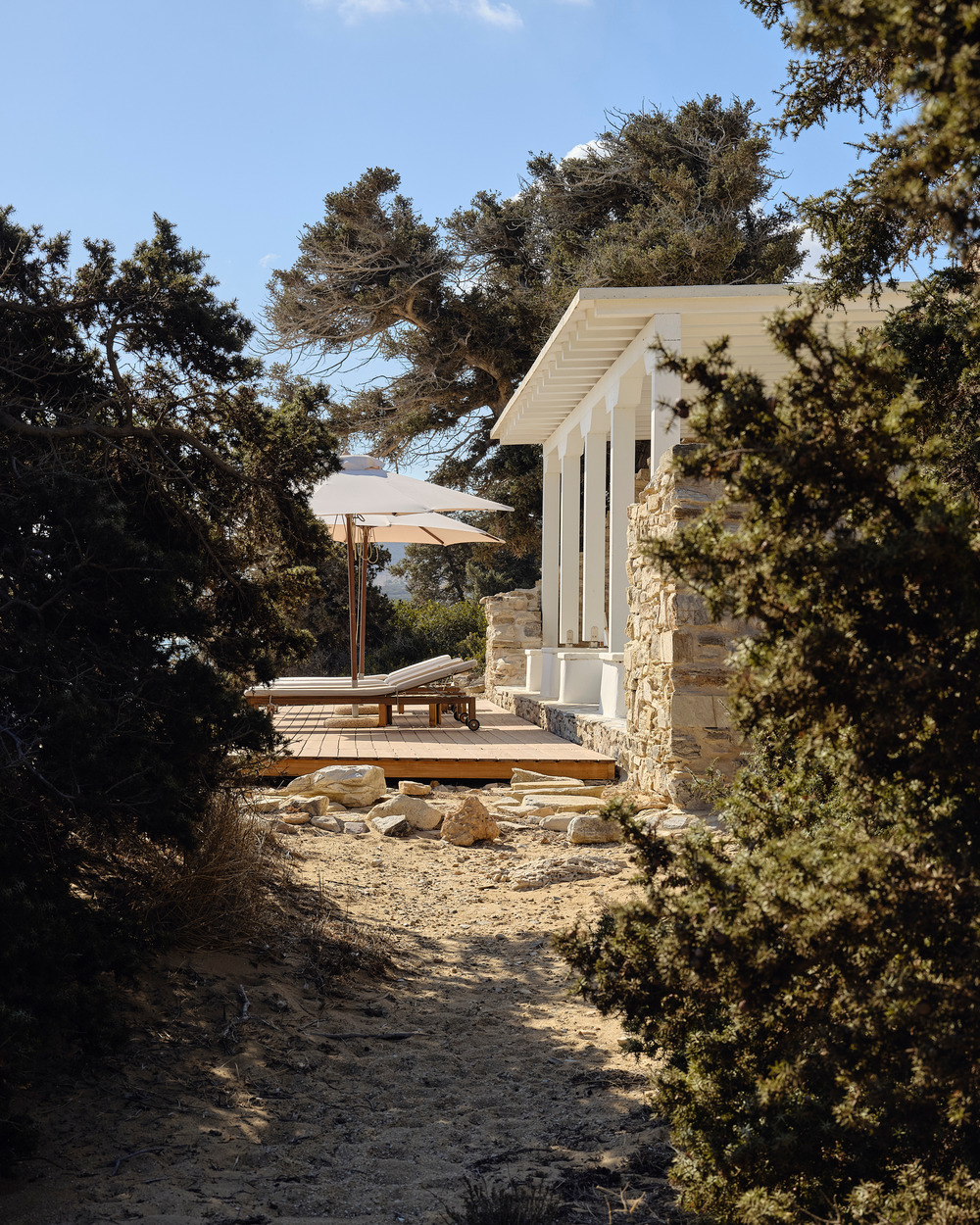
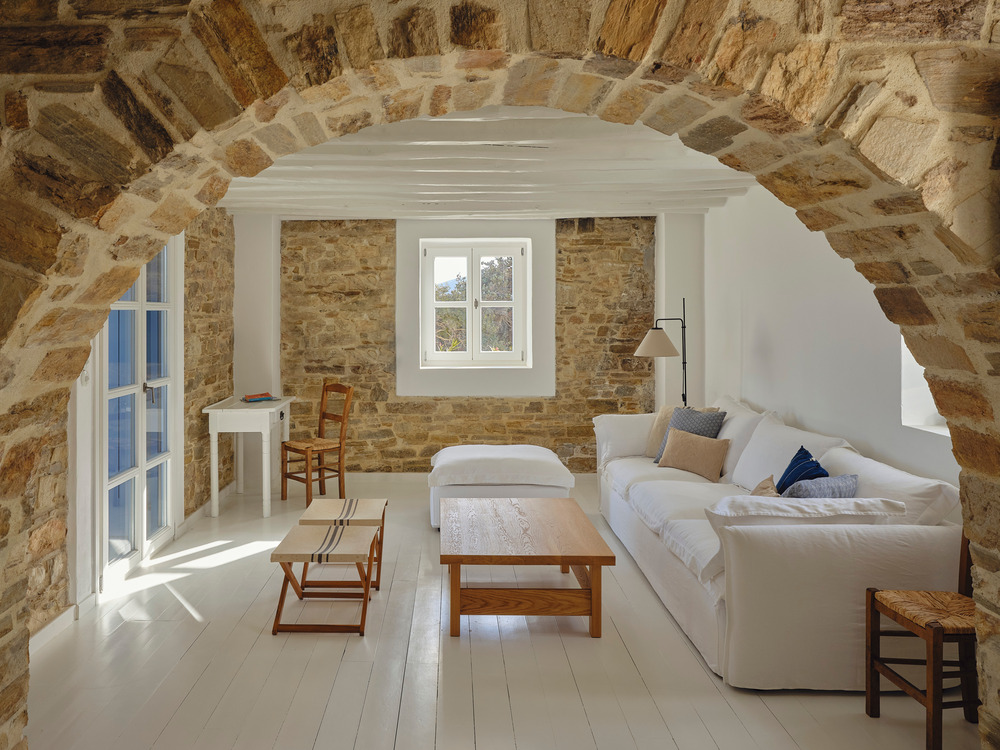
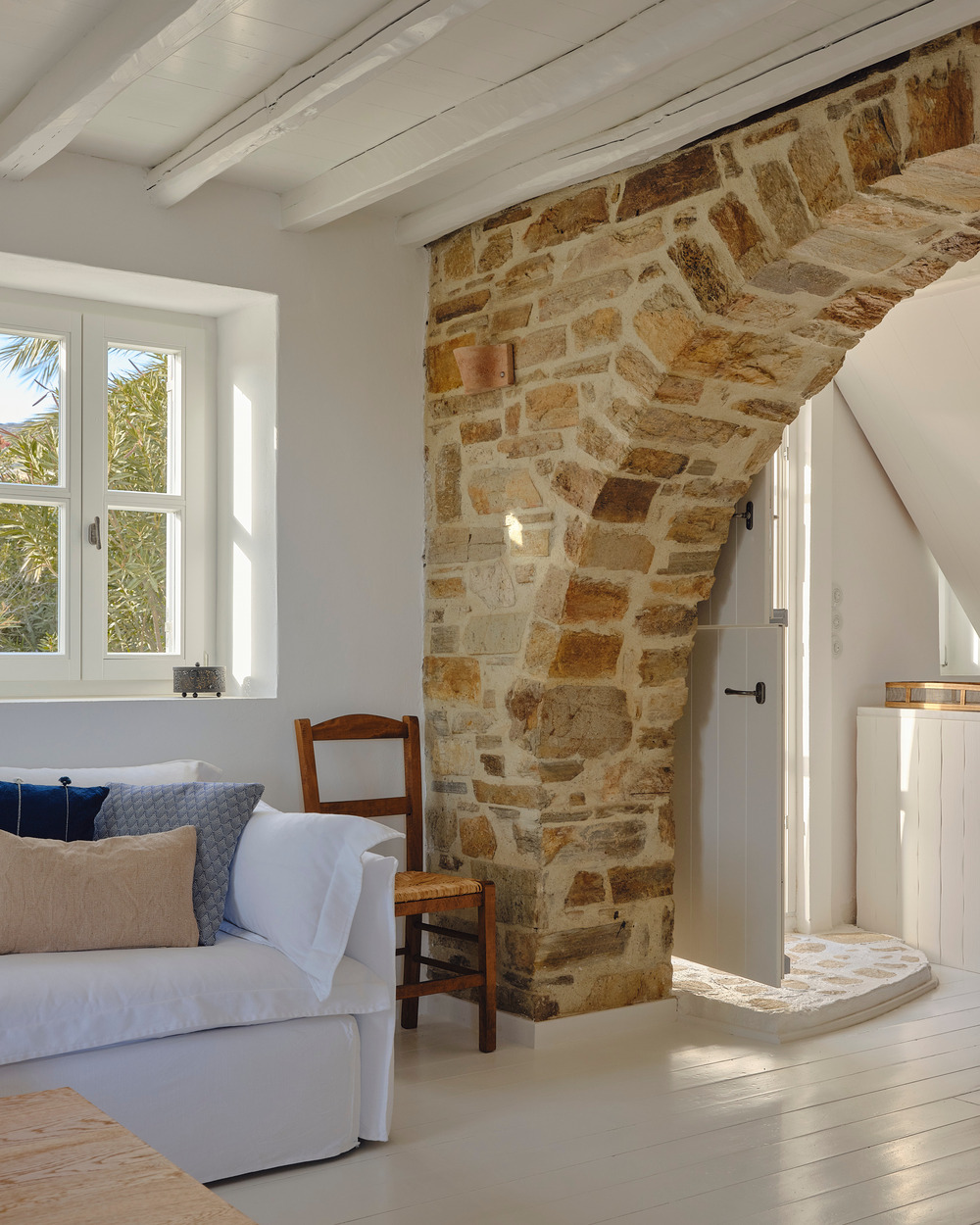
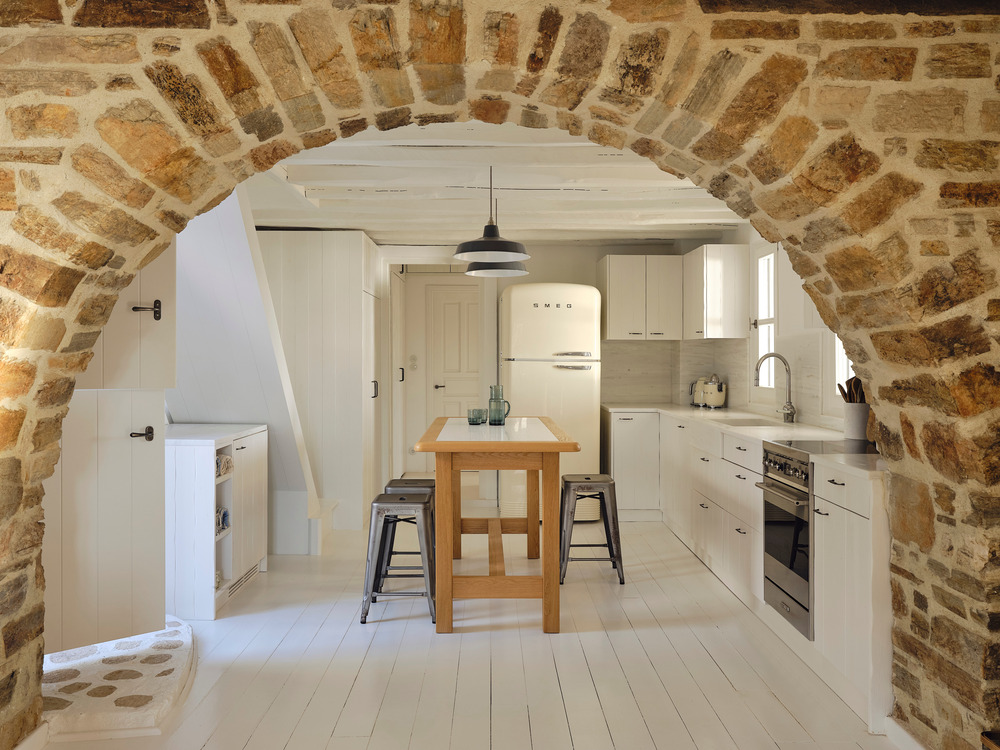
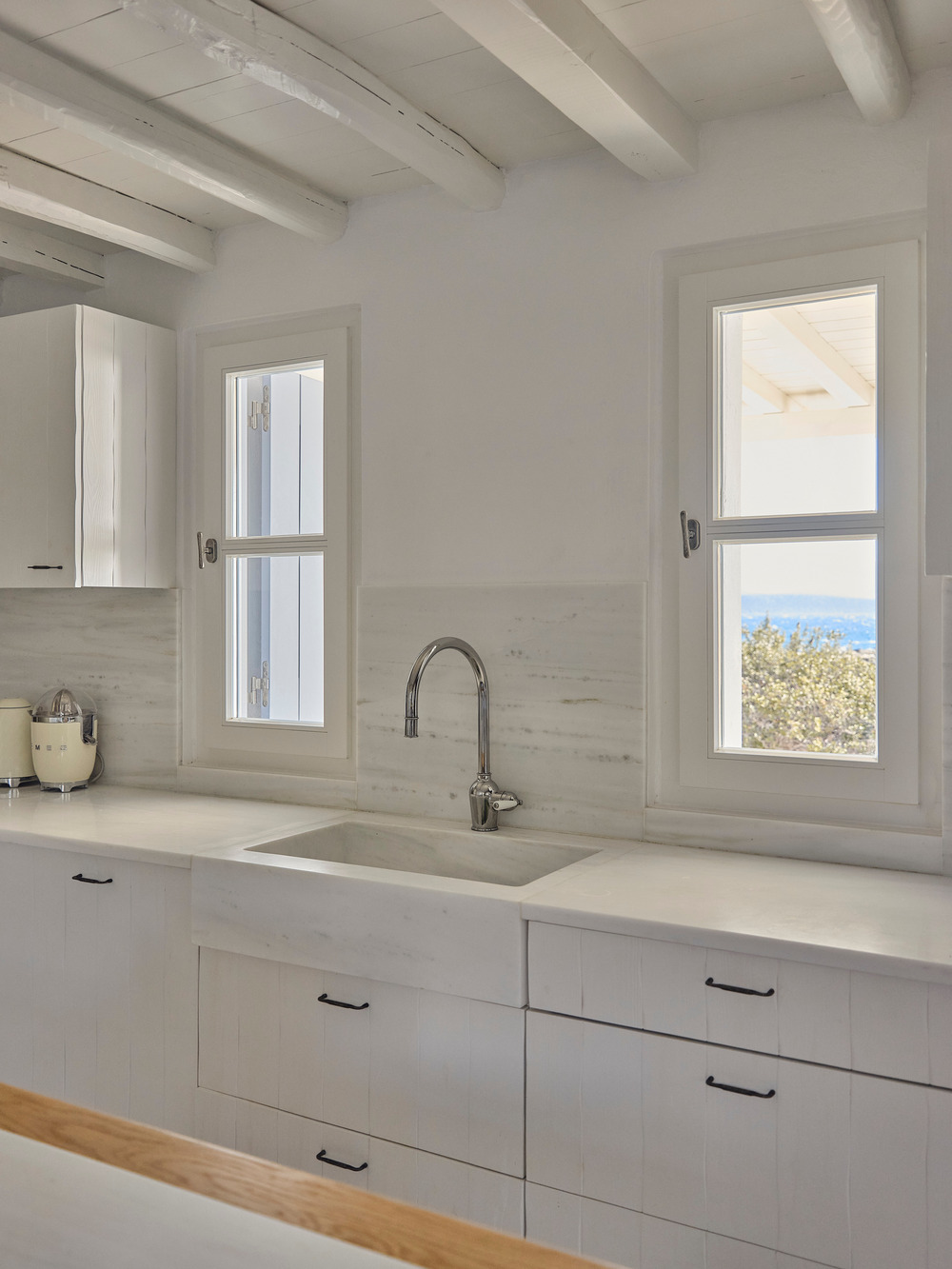
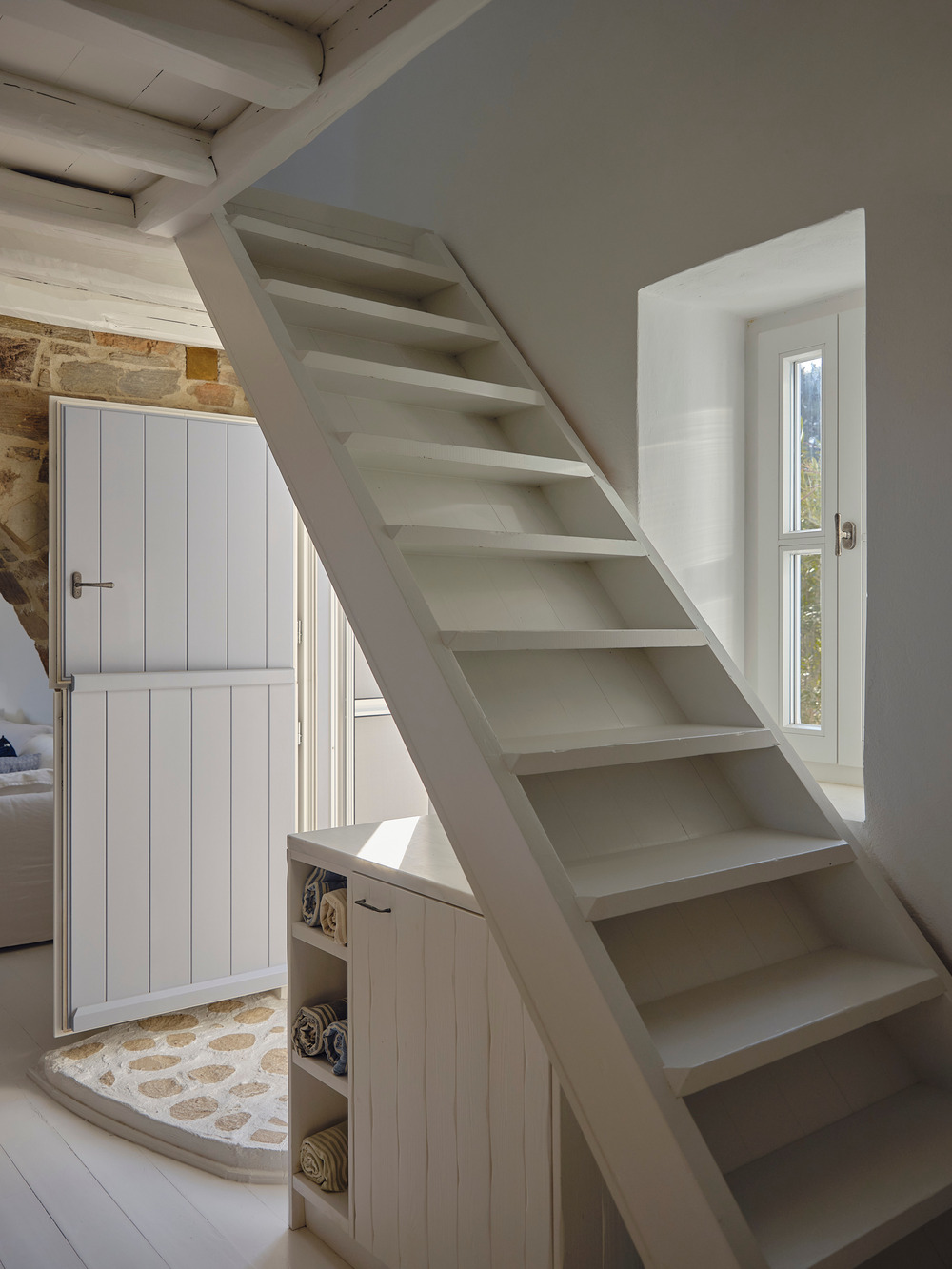
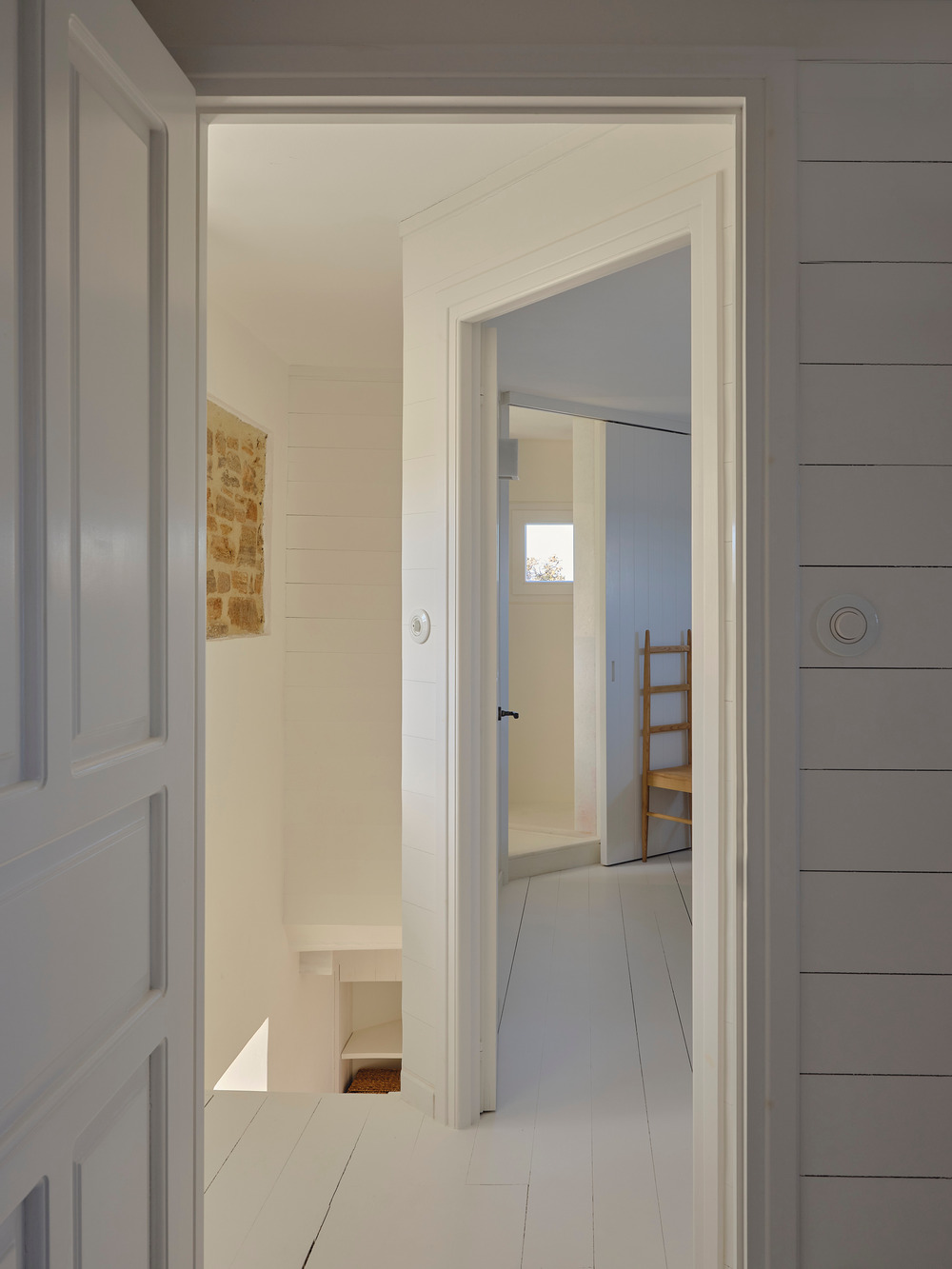
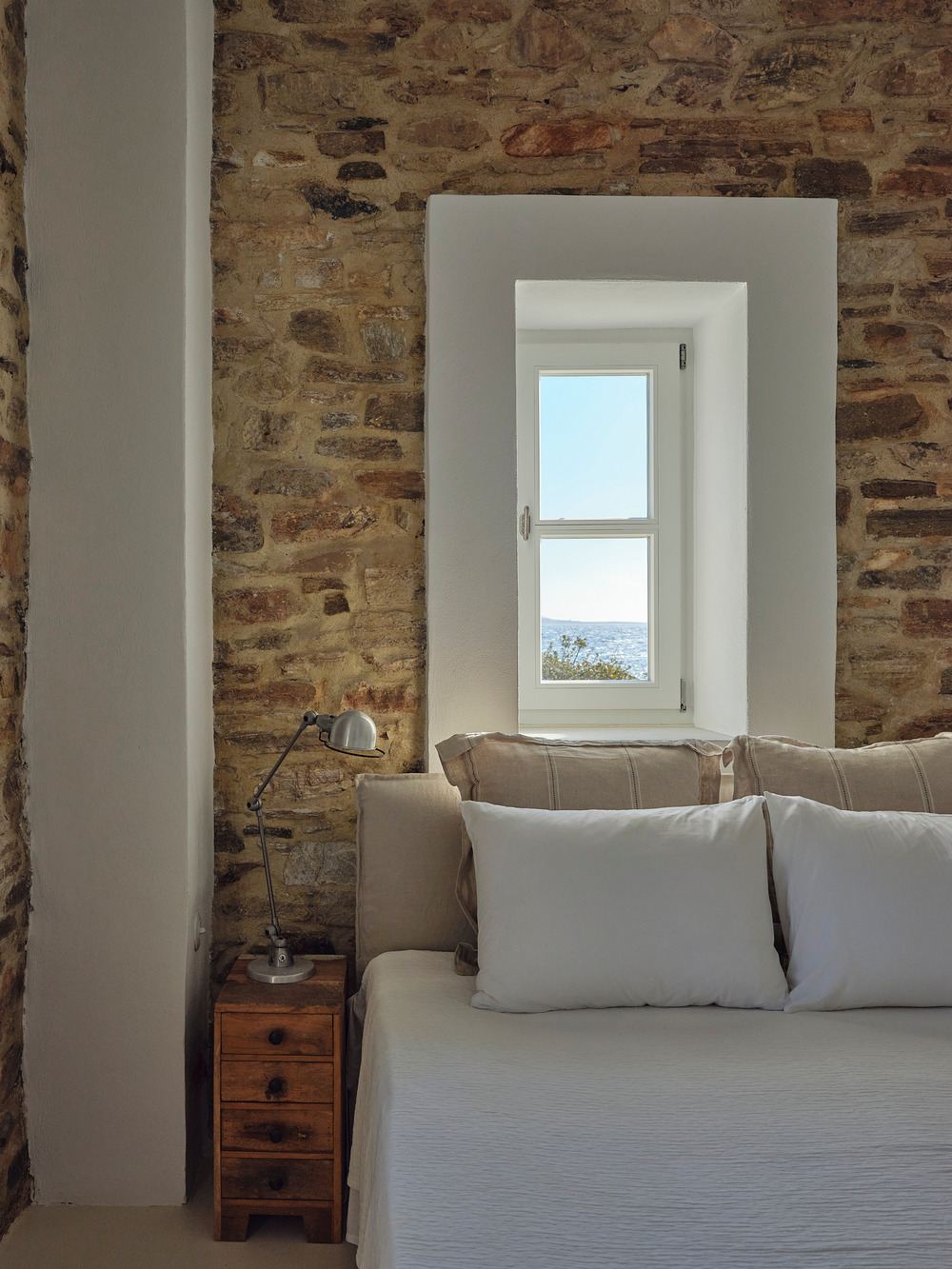
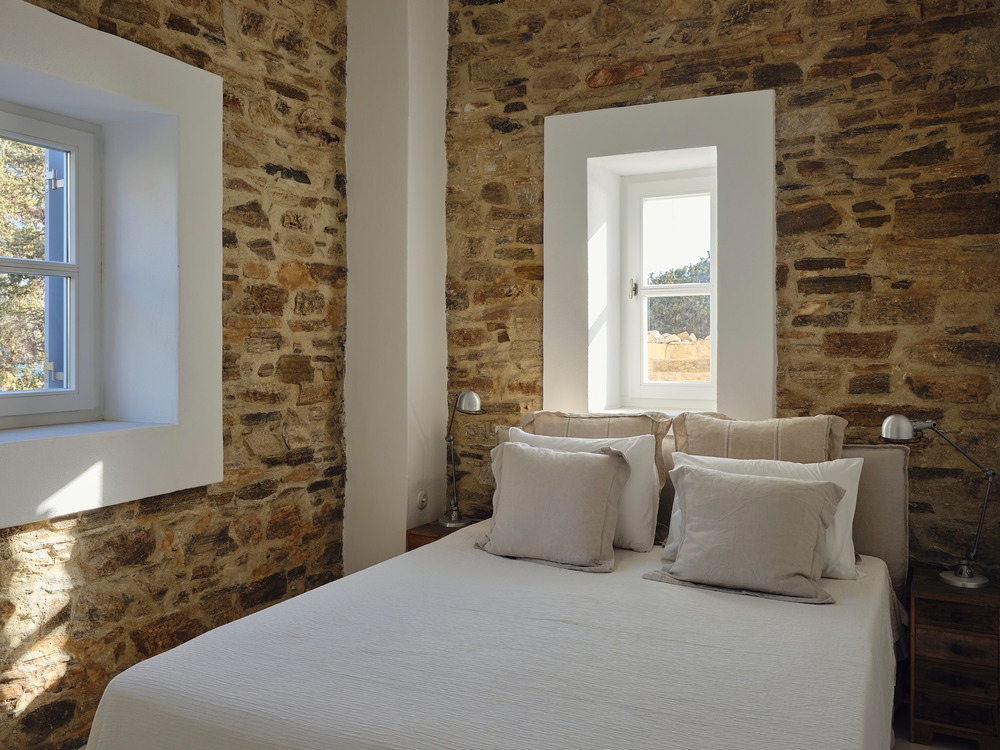
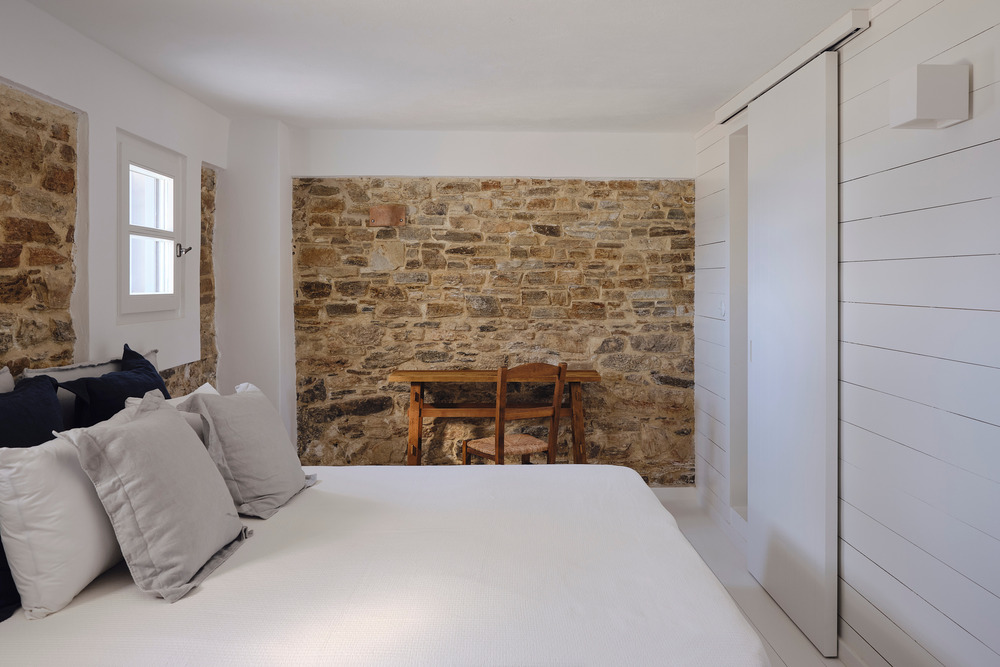
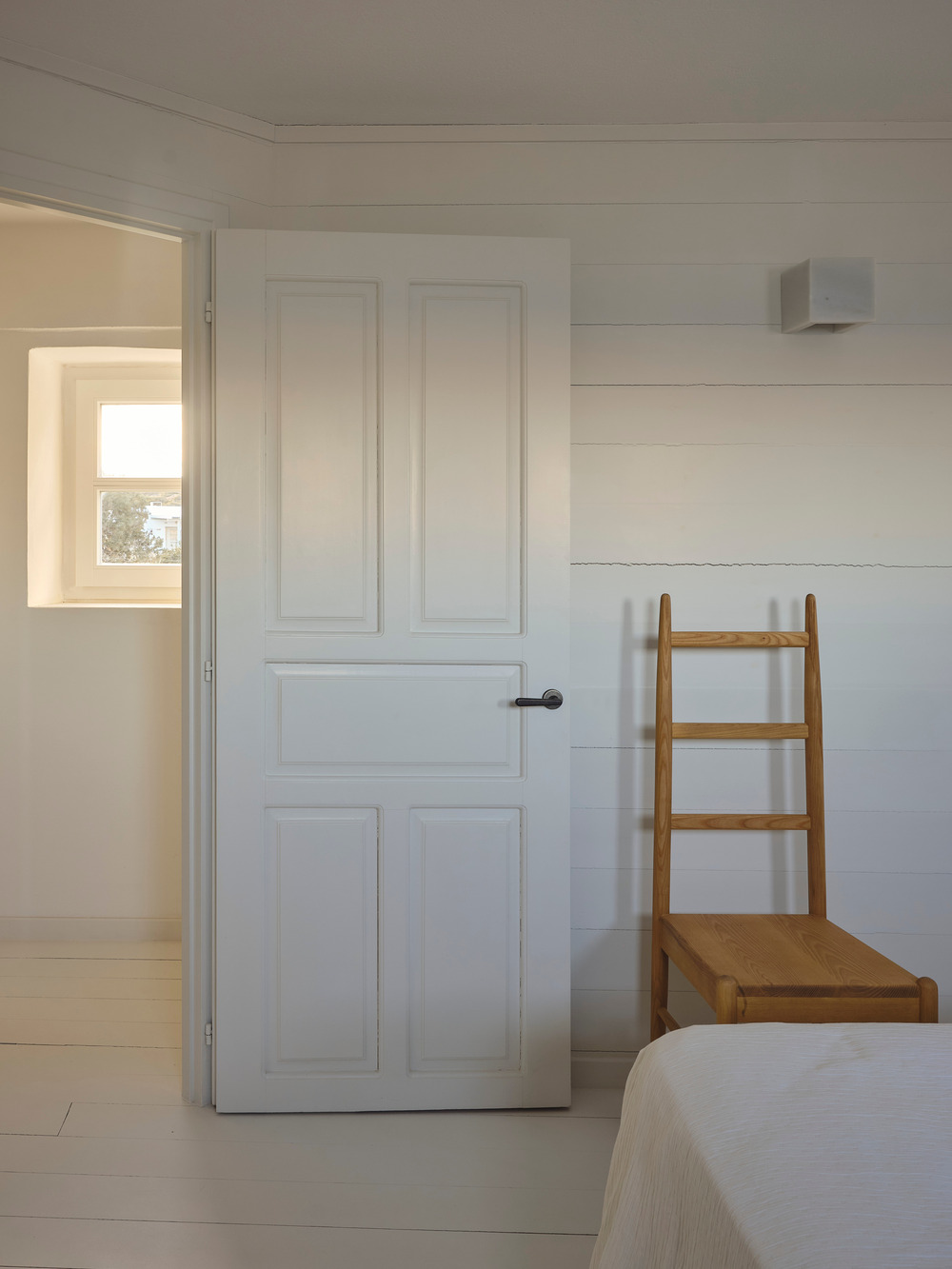
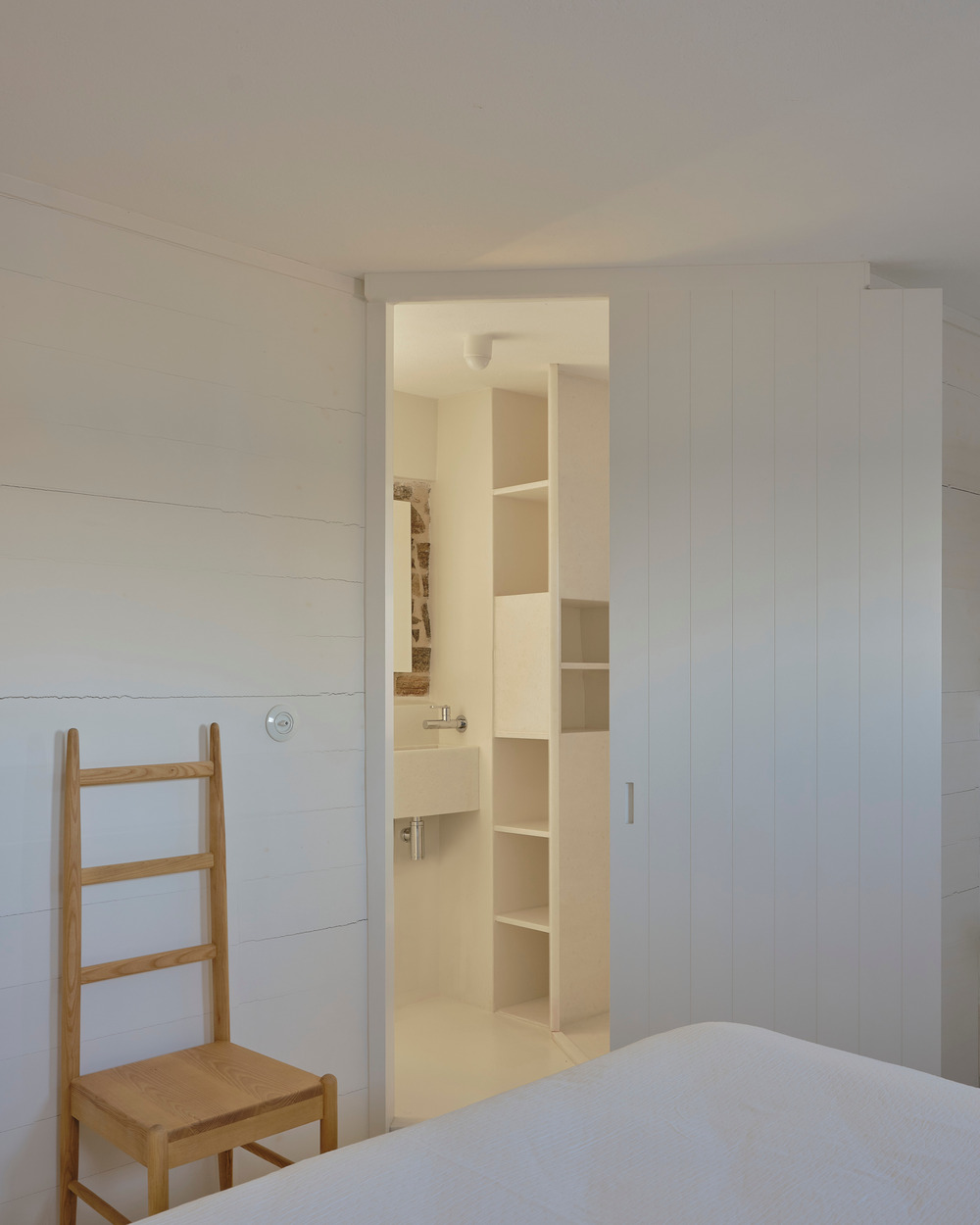
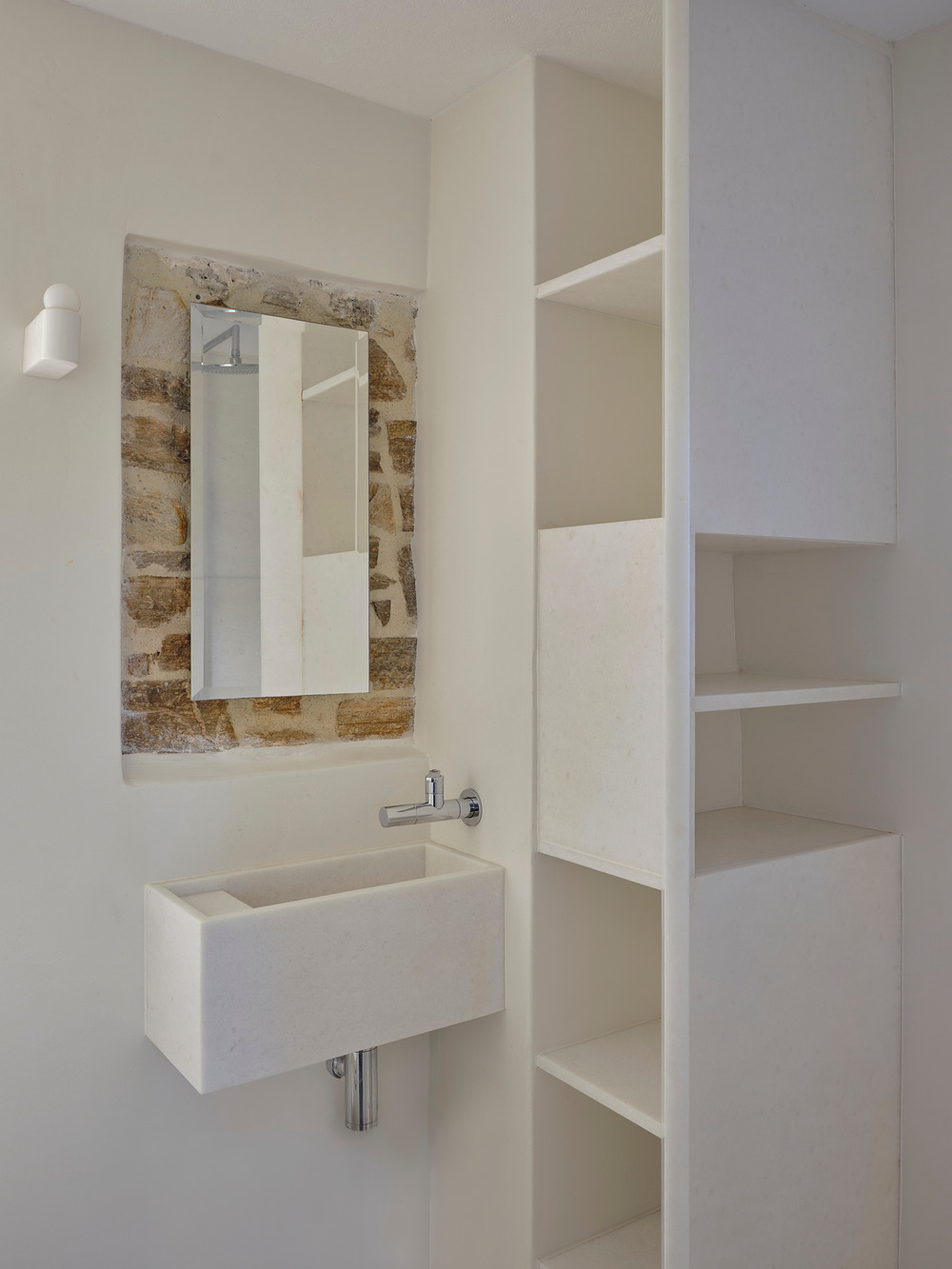
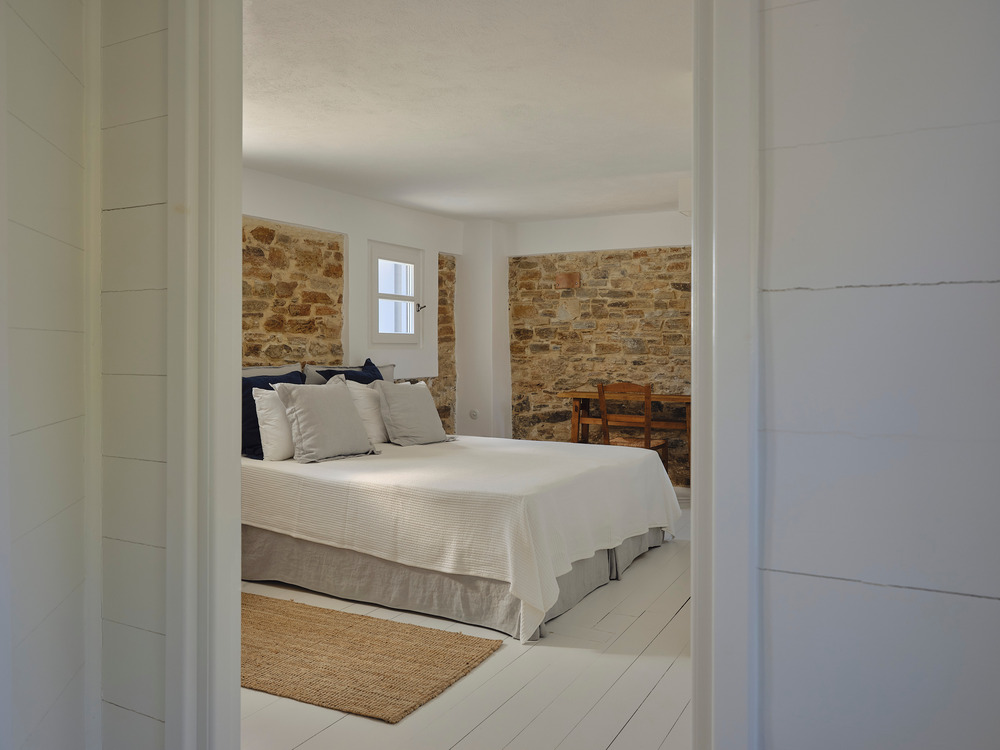
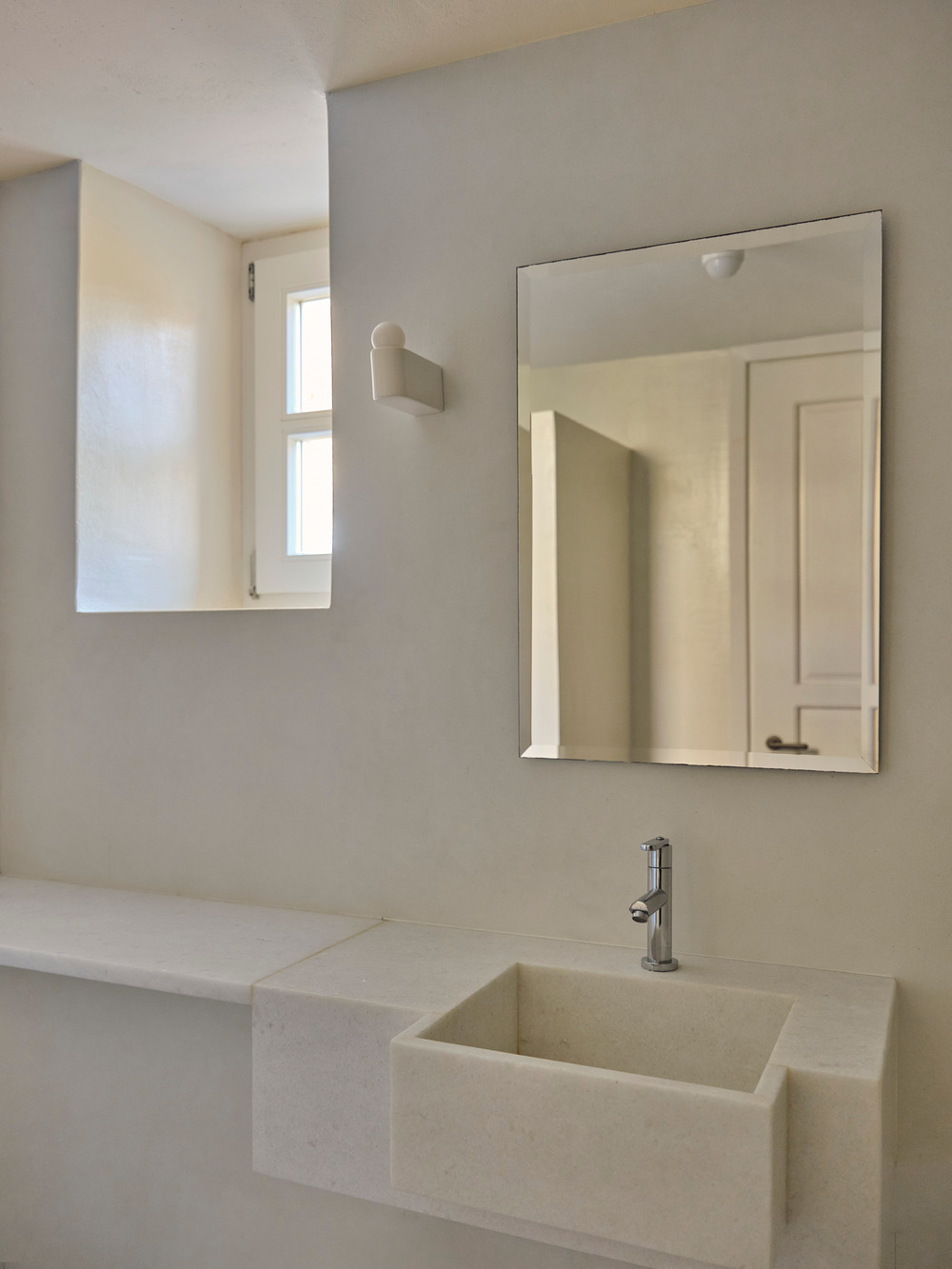
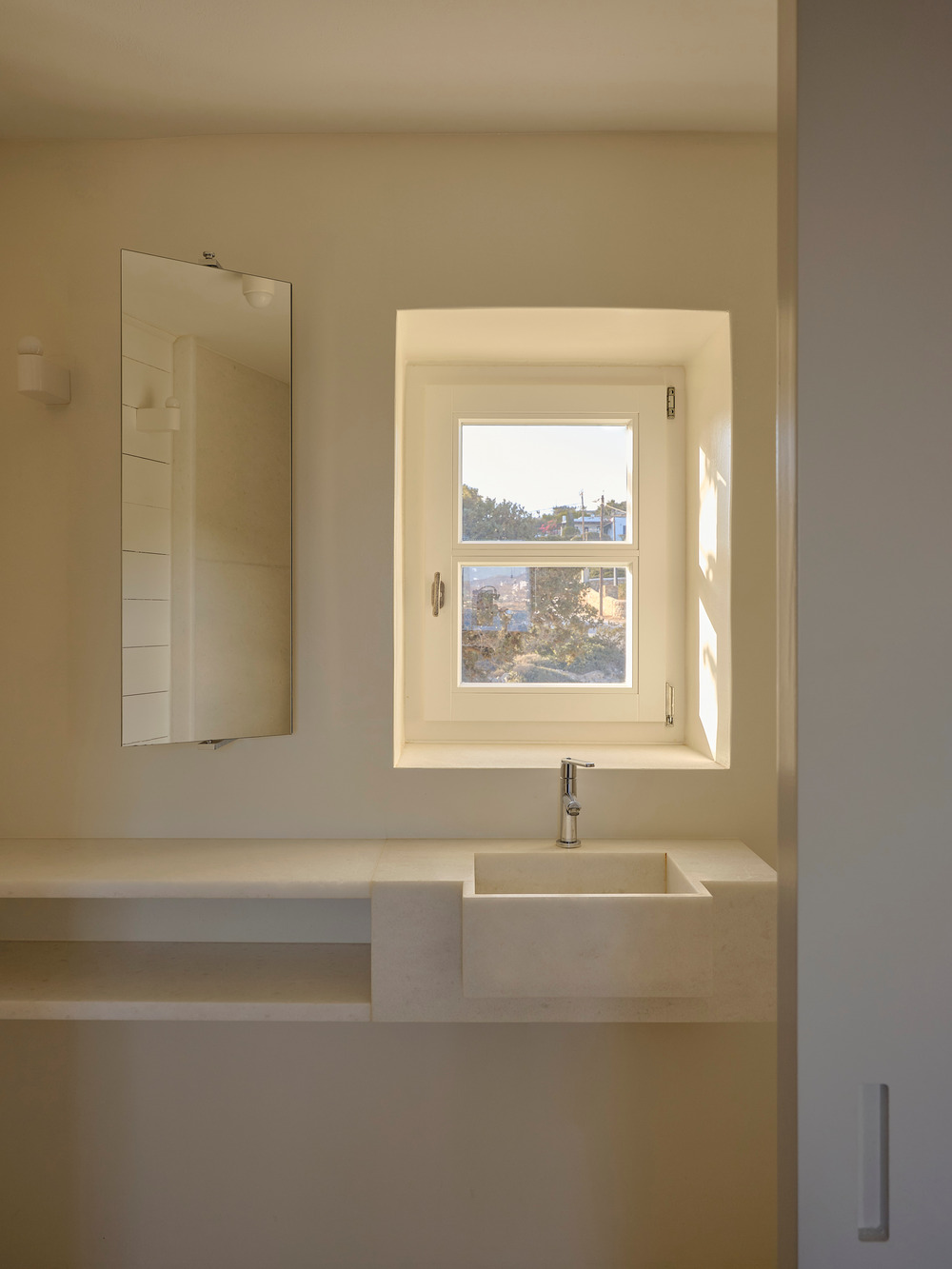
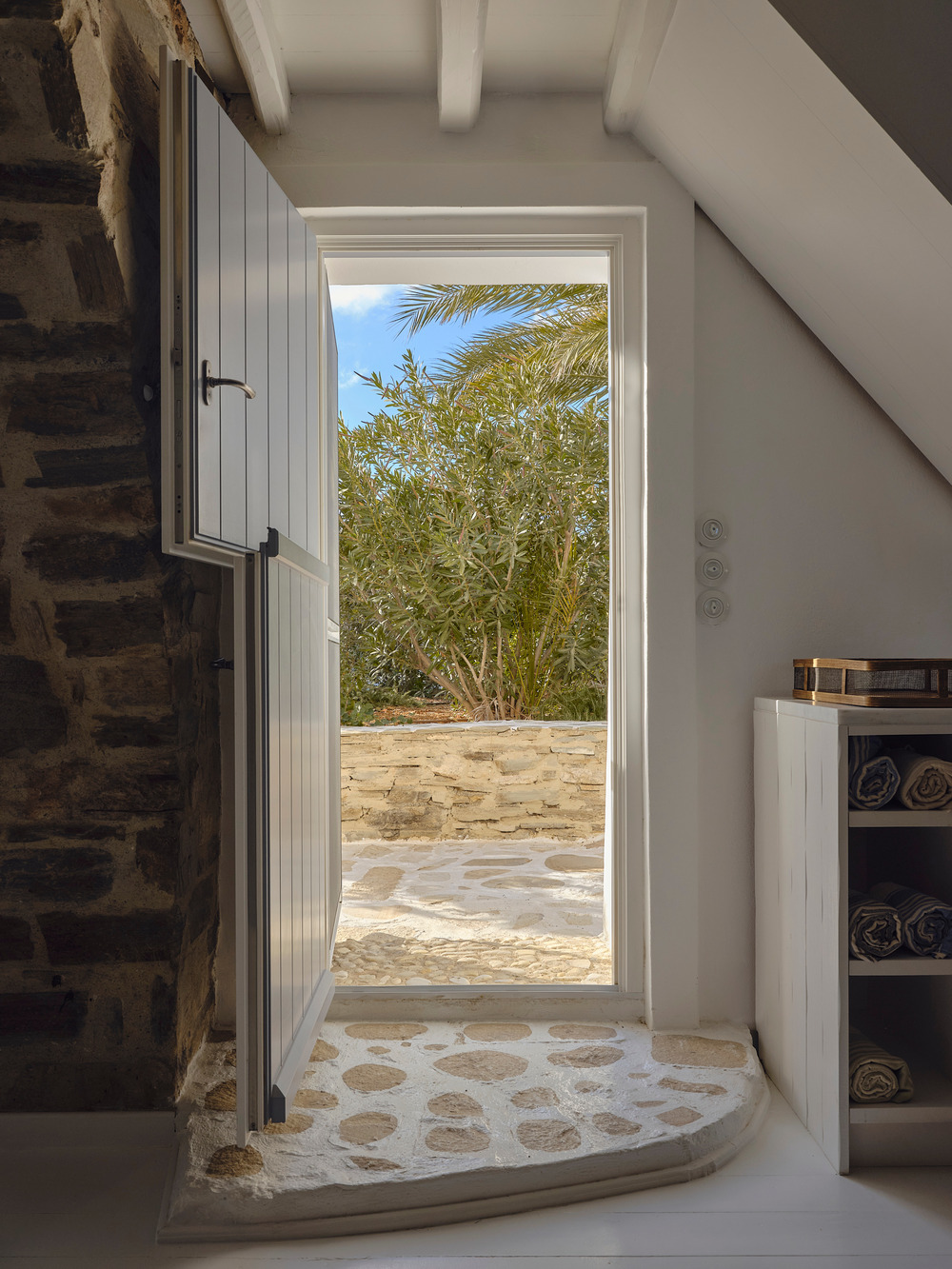
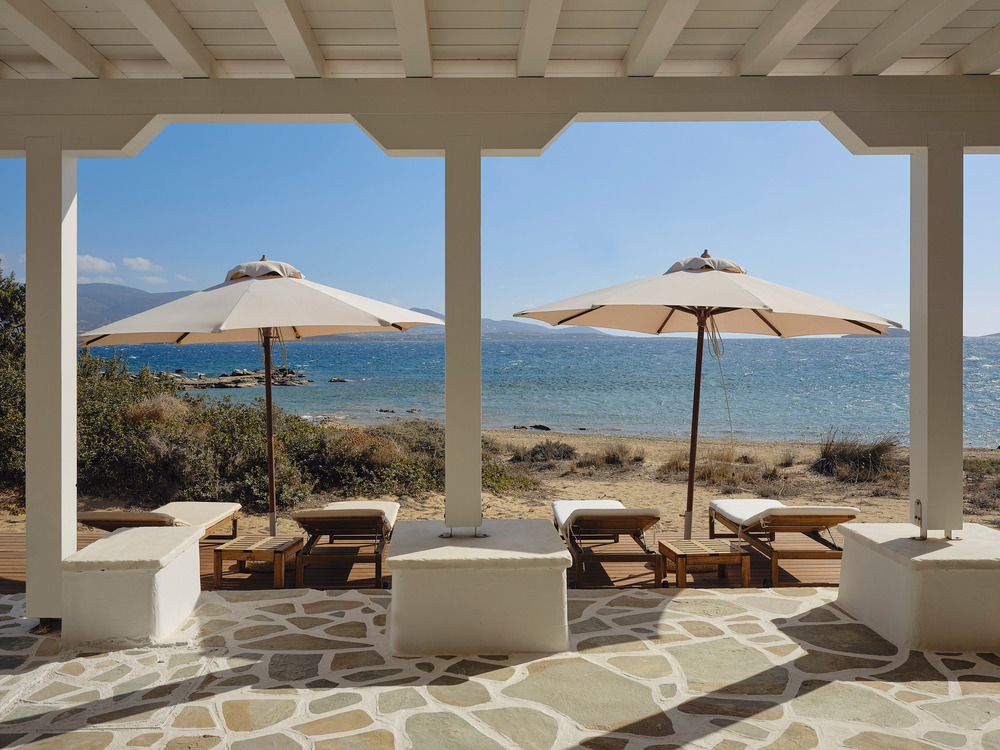



L’enveloppe extérieure a été conservée, avec des murs en pierre restaurés et soigneusement rejointoyés. Les ajouts restent minimes, comme une table en marbre dessinée spécialement pour l’extérieur. À l’intérieur, les matériaux sélectionnés, comme le chêne massif peint et le marbre de Naxos dialoguent avec sobriété. La redistribution des espaces améliore les usages, sans bouleverser l’esprit d’origine du lieu. La décoration s'est faite en couleurs naturelles, et les lignes simples du mobilier s'accordent à merveille avec l'esprit des lieux. La maison Patitiri, cet ancien pressoir à vin, trouve ainsi un équilibre élégant entre héritage local et écriture architecturale actuelle. Photo : Giulio Ghirardi
A former wine press transformed into a stone beach house
On the island of Antiparos in Greece, the Patitiri House is a former wine press built between 1933 and 1936, occupying an enviable position on the rocky coastline. Its name, which means ‘wine press’ in Greek, evokes its original function of crushing grapes. The inhabitants used to gather there to crush the grapes barefoot and start the fermentation process. Remains discovered in the sea remind us that vines have flourished here since ancient times. The architects at ARP – Architecture Research Practice opted for a careful restoration approach. Although not officially listed, the building has strong symbolic value for the island.
The exterior envelope has been preserved, with restored and carefully repointed stone walls. Additions are minimal, such as a marble table designed specifically for outdoor use. Inside, the selected materials, such as painted solid oak and Naxos marble, interact with understated elegance. The redistribution of space improves usability without disrupting the original spirit of the place. Its décor features natural colours, and the simple lines of the furniture blend in perfectly with the spirit of the place. The Patitiri House, a former wine press, thus strikes an elegant balance between local heritage and contemporary architectural style. Photo: Giulio Ghirardi


Shop the look !
Livres



Commentaires