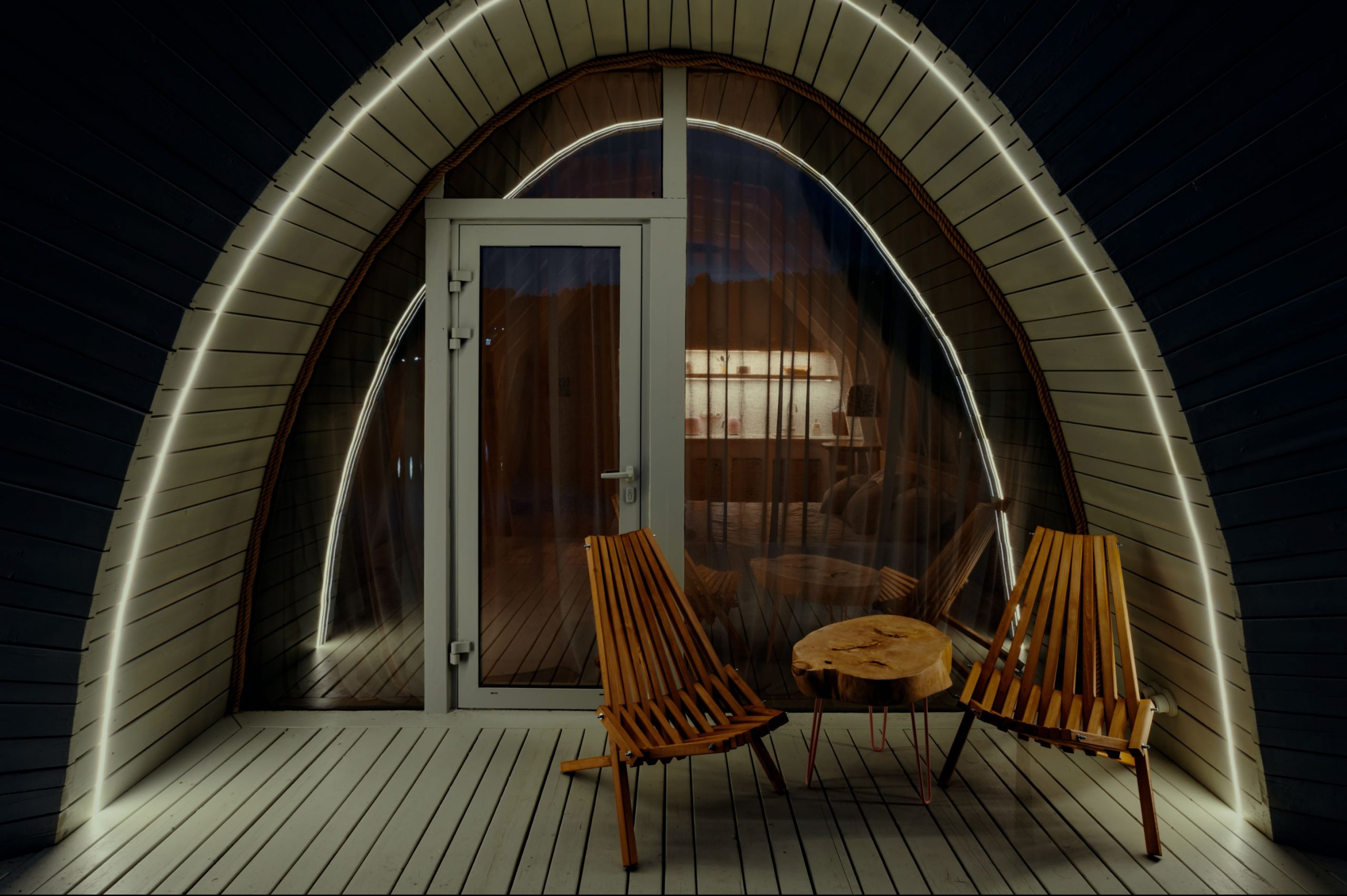
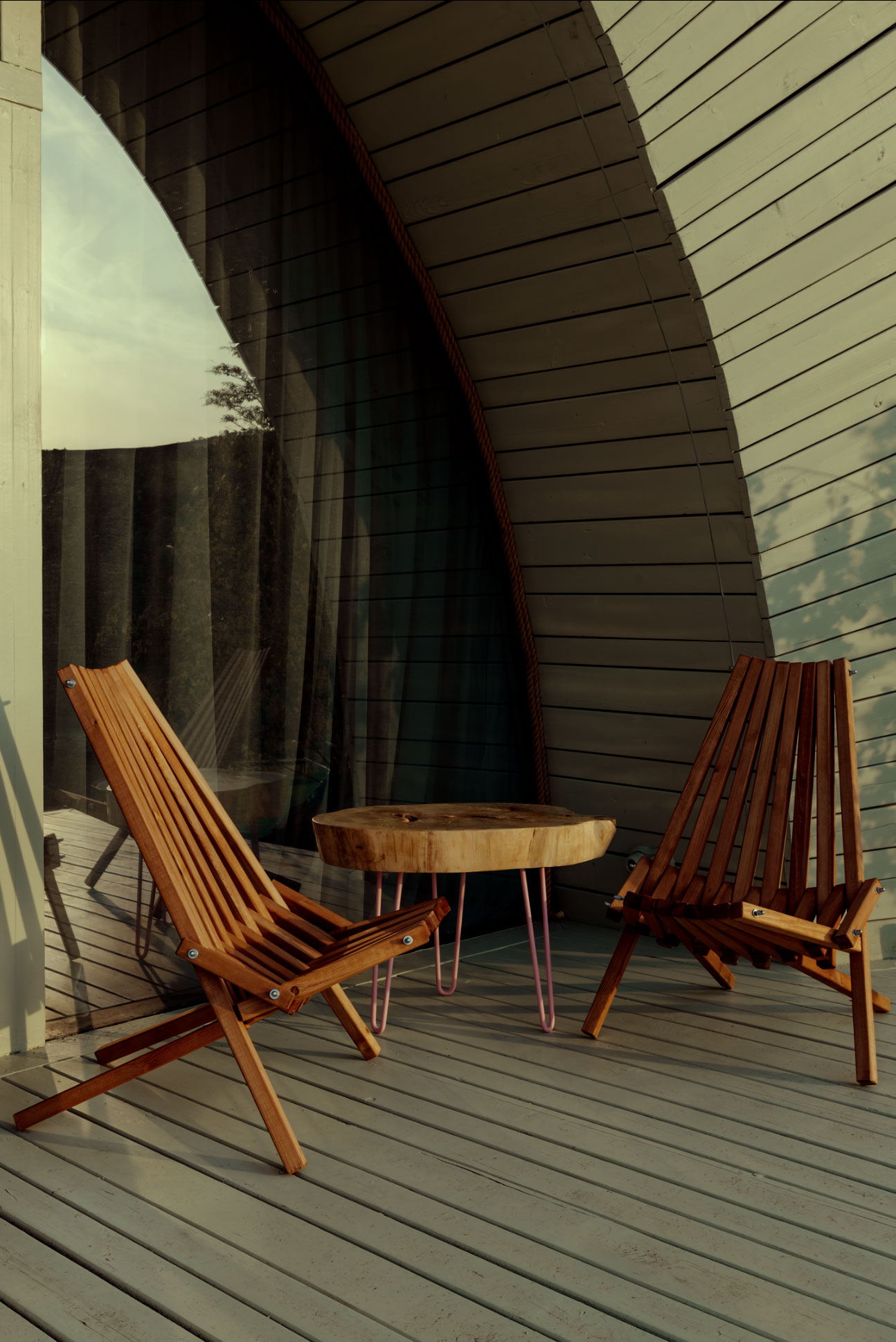
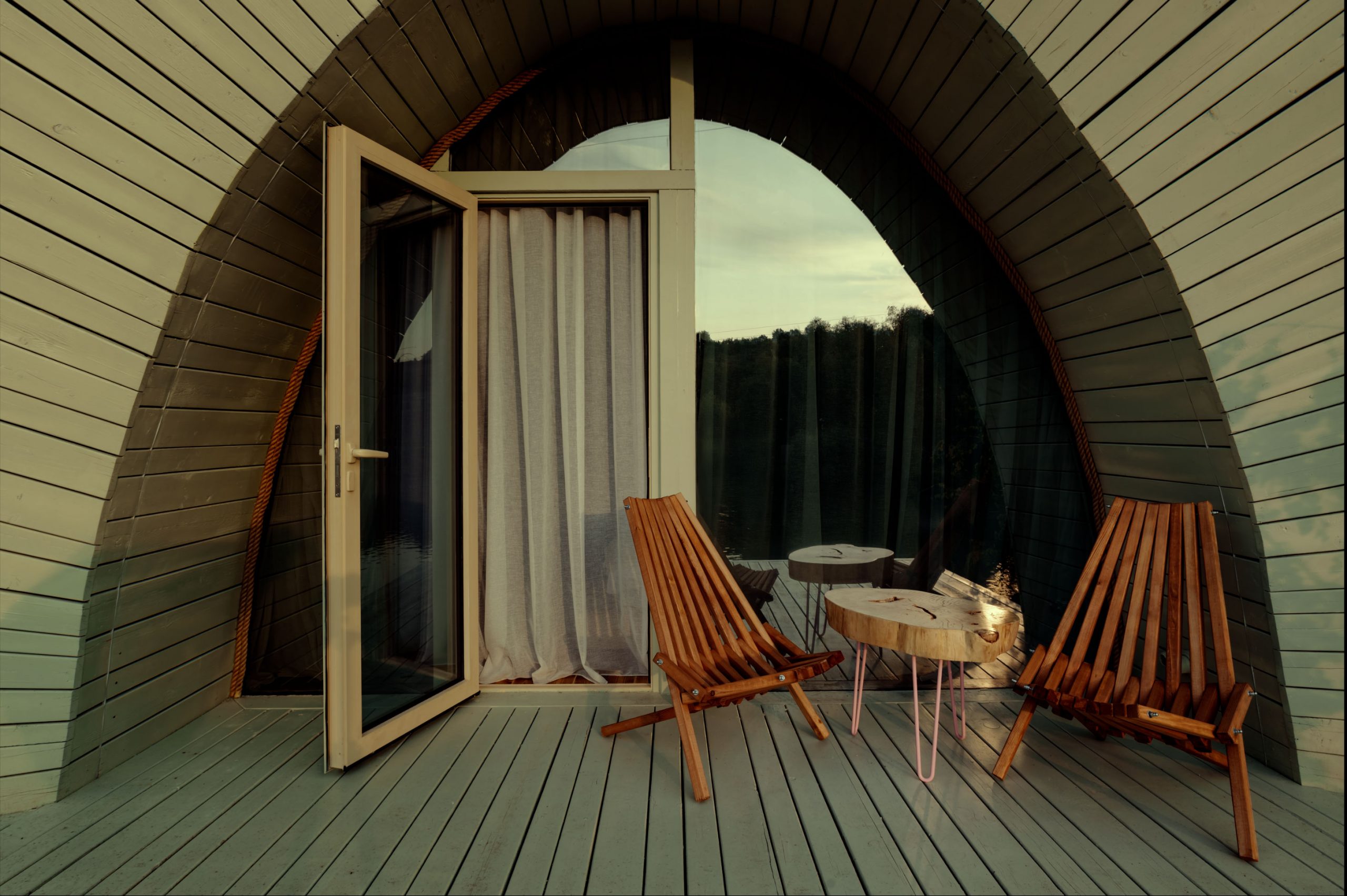
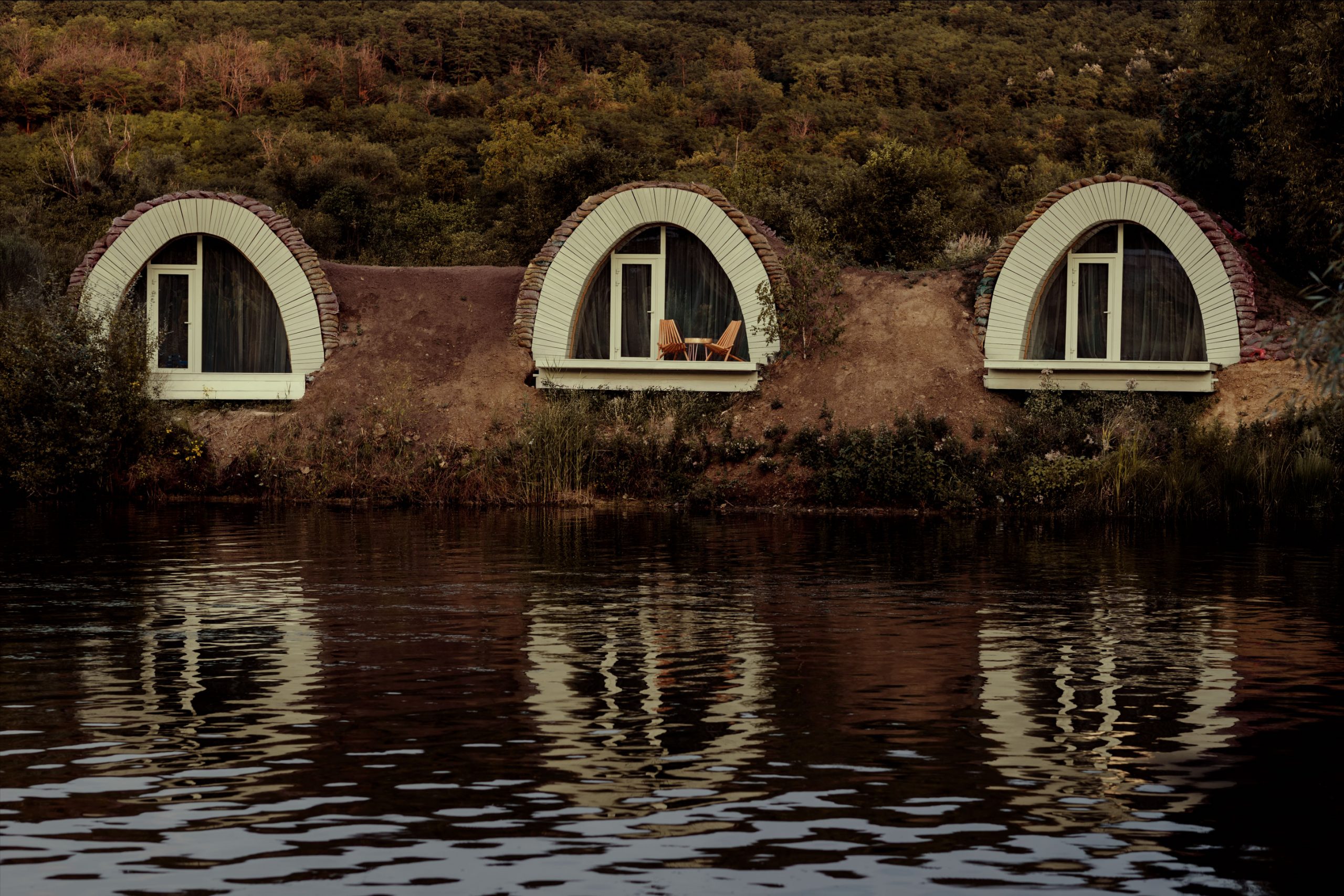
Inspirée de l’habitat vernaculaire, cette petite maison de 26m2 en Moldavie reprend l’allure d’une cabane de Hobbit. Recouverte de terre, elle appartient à un domaine de tourisme qui réunit trois cabanes semblables au bord d’un lac.
LH47 ARCH les a installées près de
Chişinău. Grâce à leur toit végétalisé et à leur construction en paille et argile, elles se fondent dans le paysage. L’agence a conçu ce projet atypique pour mêler écotourisme, savoir-faire ancestral et design contemporain. Les architectes ont choisi de les enterrer partiellement, afin que leur forme rappelle de douces collines naturelles.
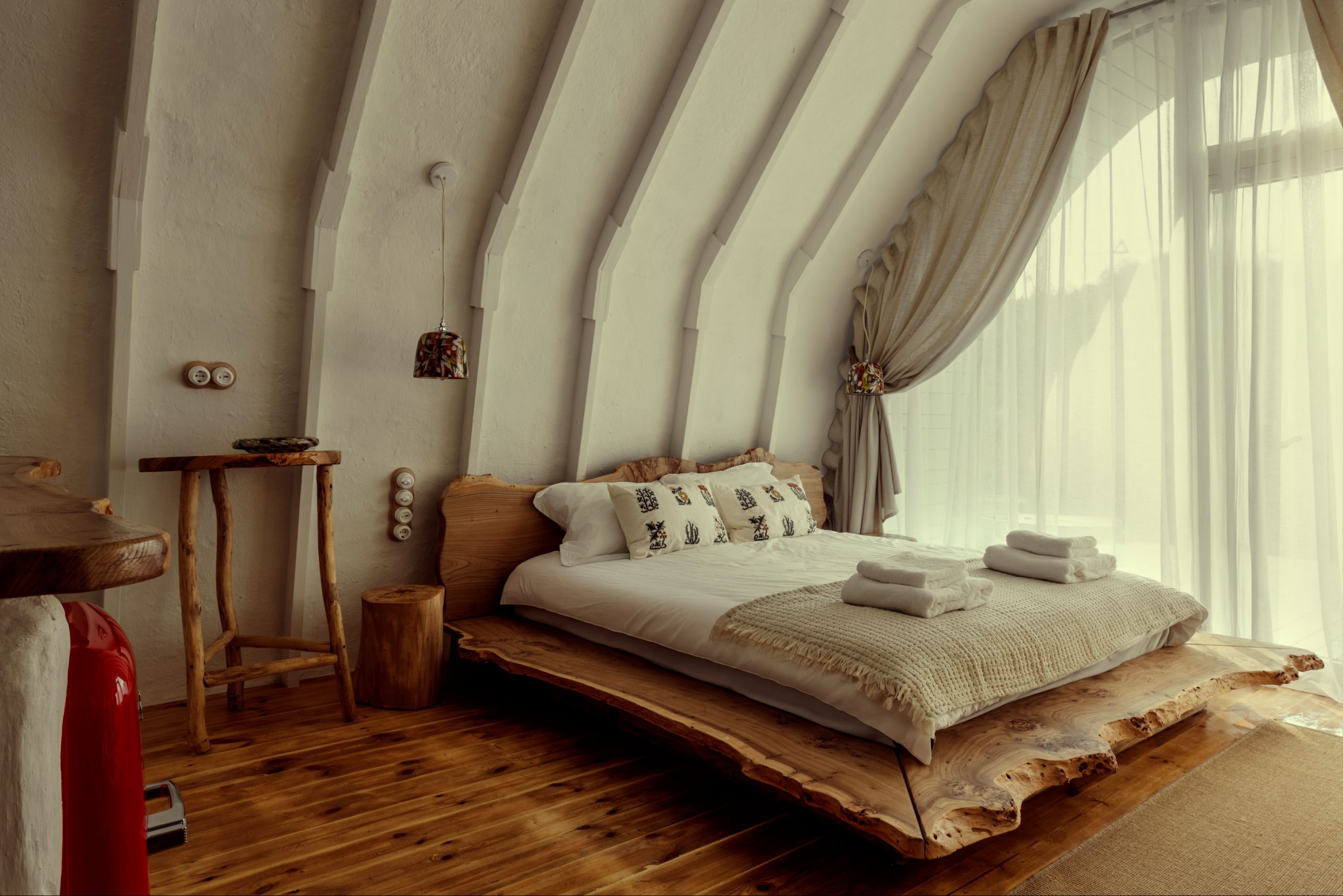
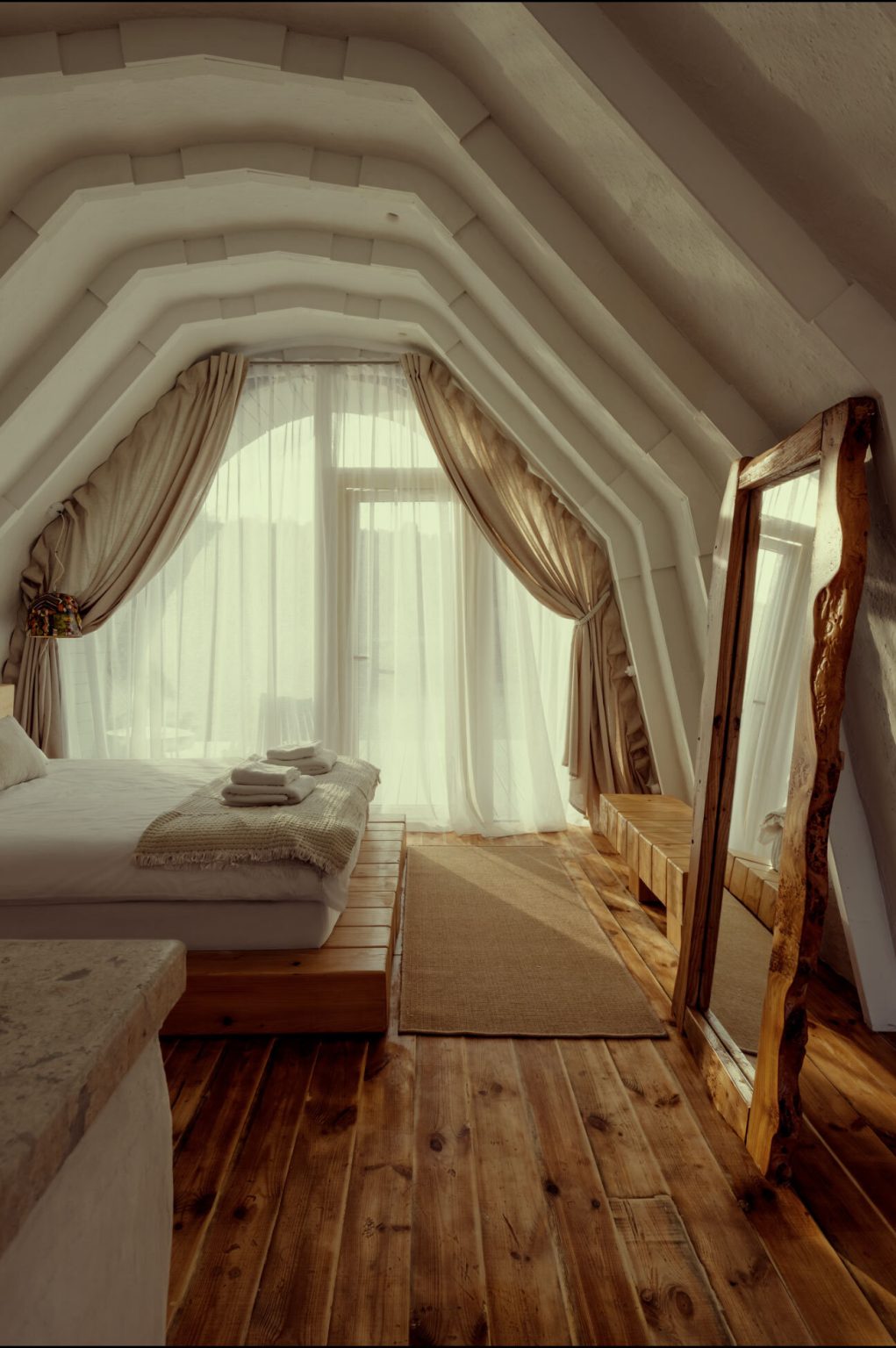
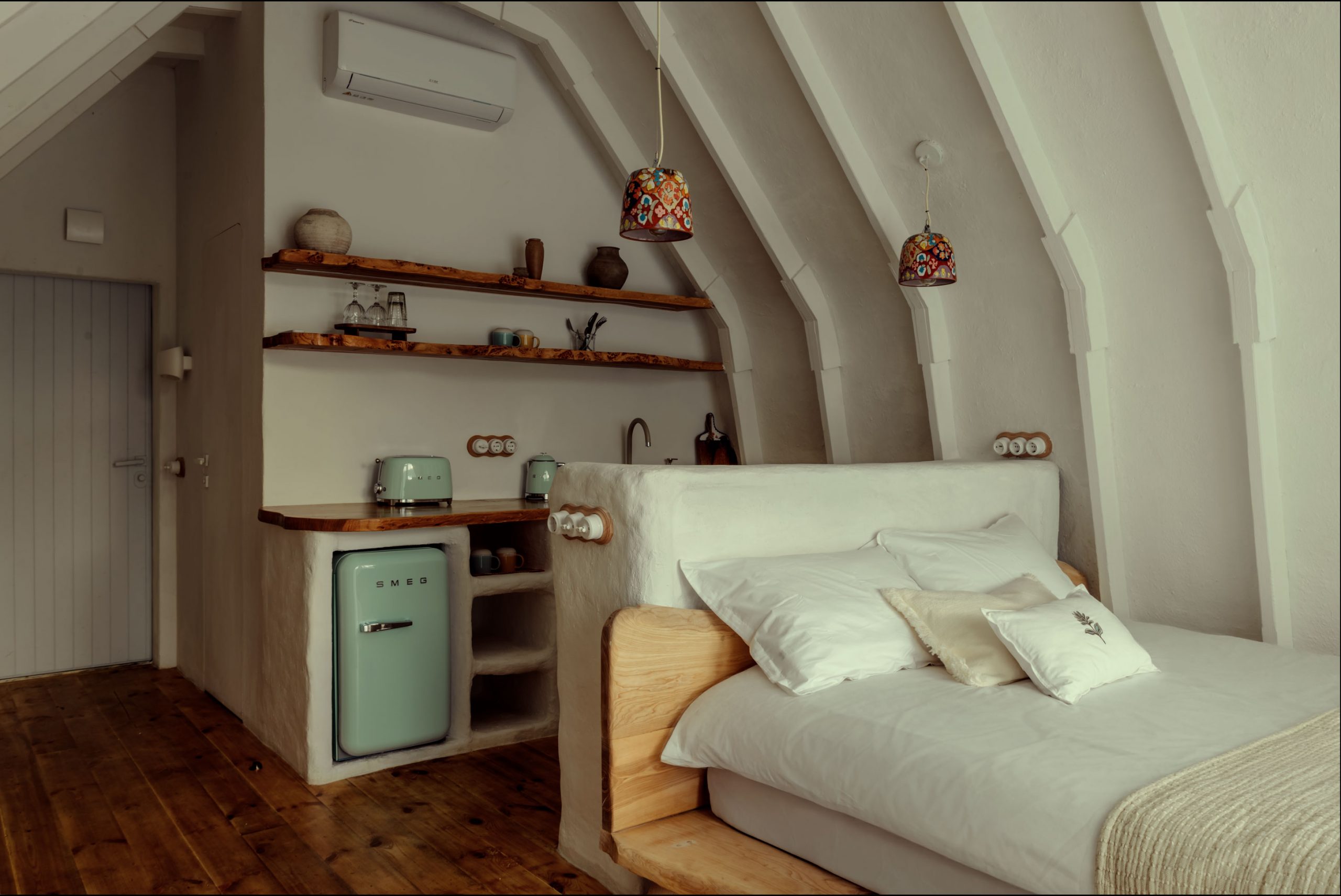
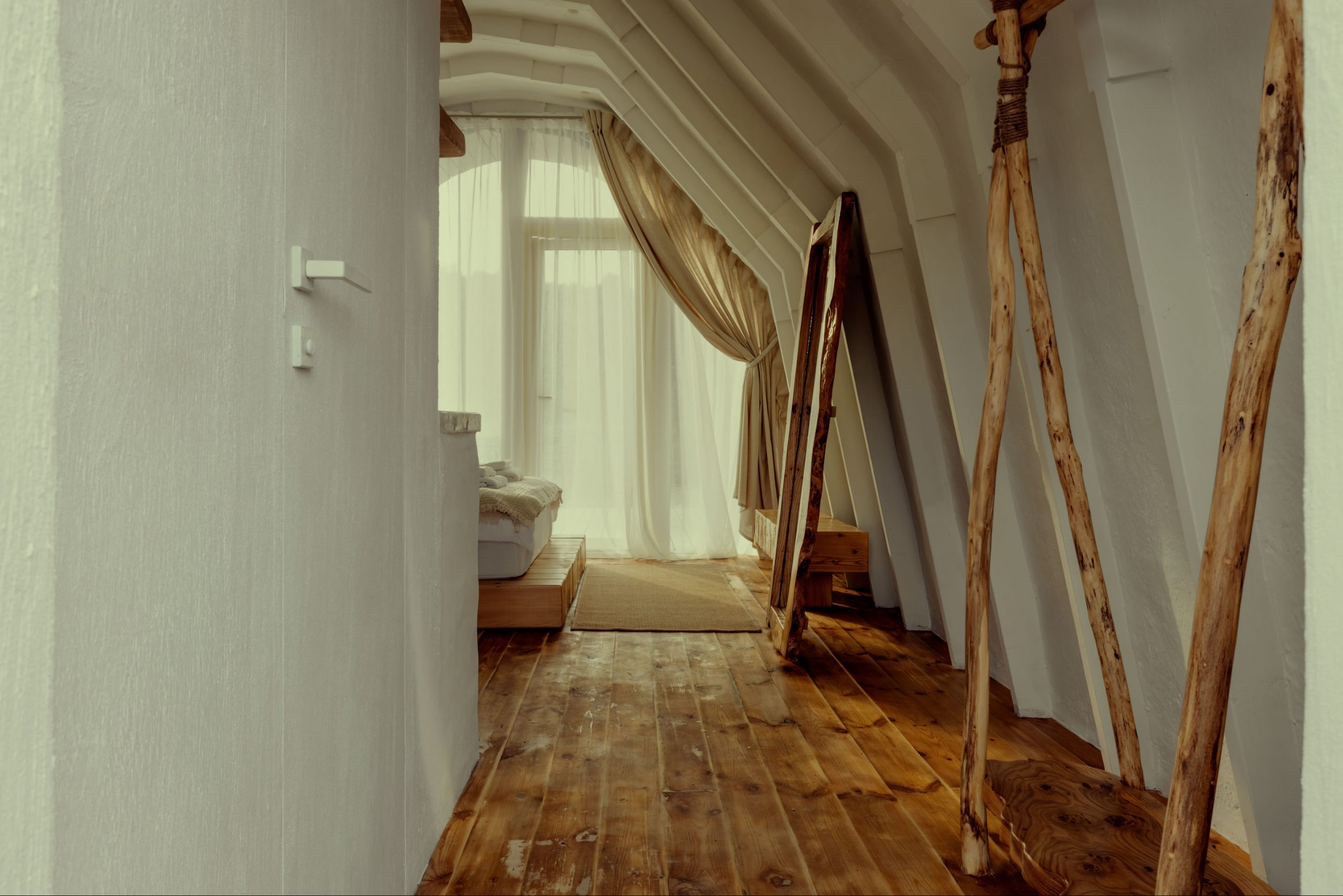
Pour construire ces cabanes, les architectes ont privilégié des méthodes traditionnelles. Ils ont monté les murs en bottes de paille et les ont enduits d’argile et de chaux, sur une ossature en bois. Cette approche low-tech tranche avec les pratiques modernes du pays, encore dominées par le béton. L’intérieur, lumineux et chaleureux, profite d’un confort thermique naturel : il reste frais en été et chaud en hiver, sans
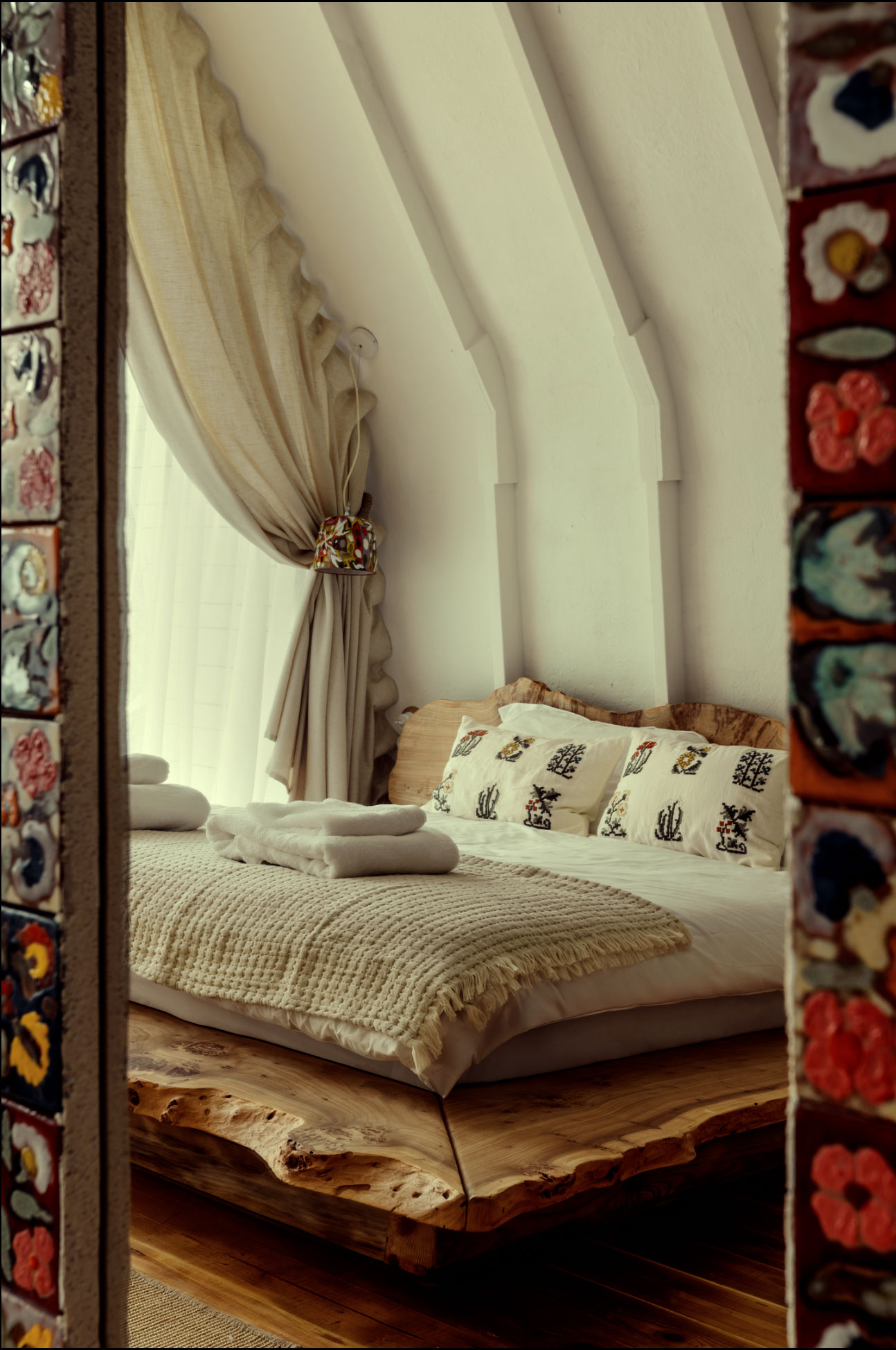
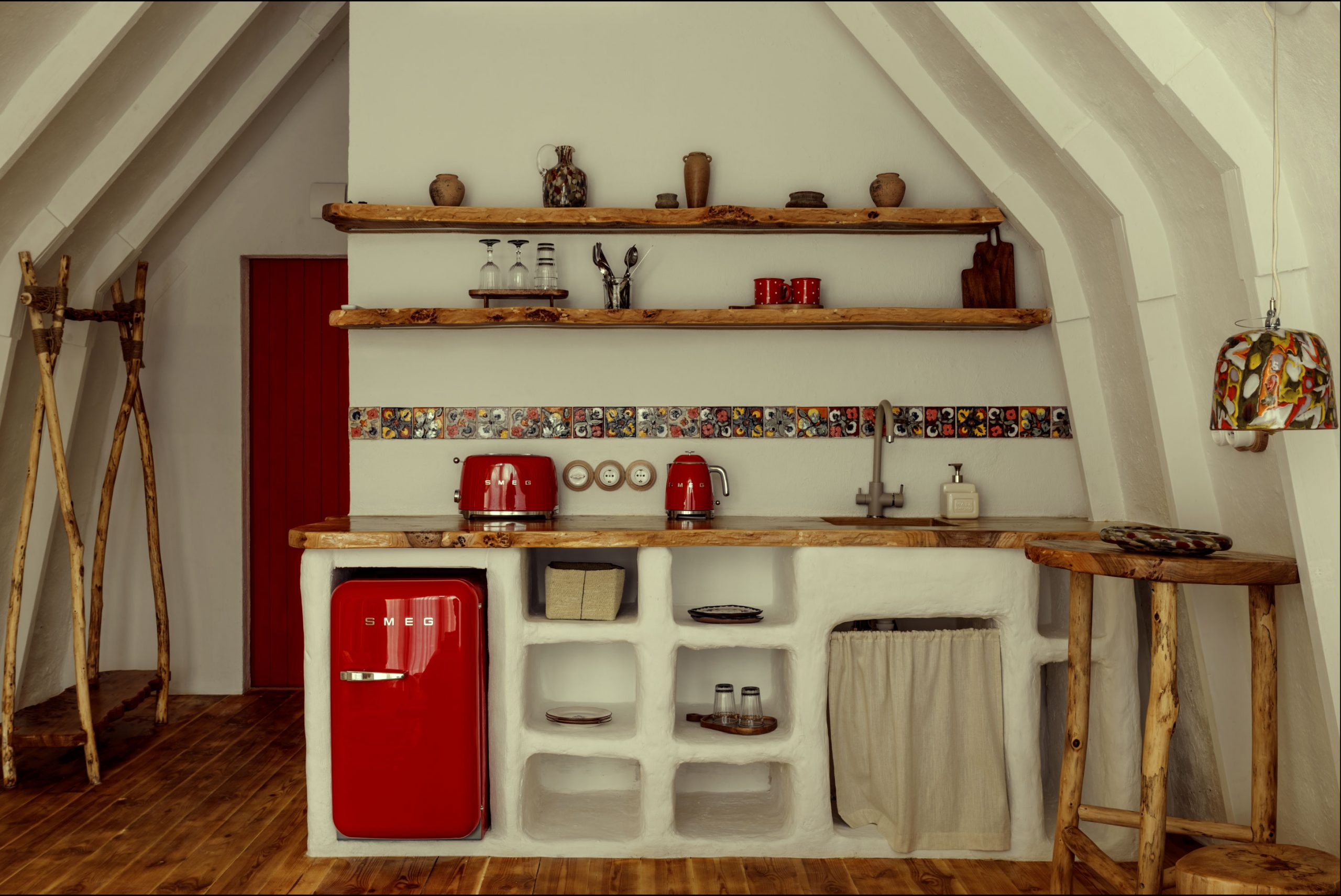
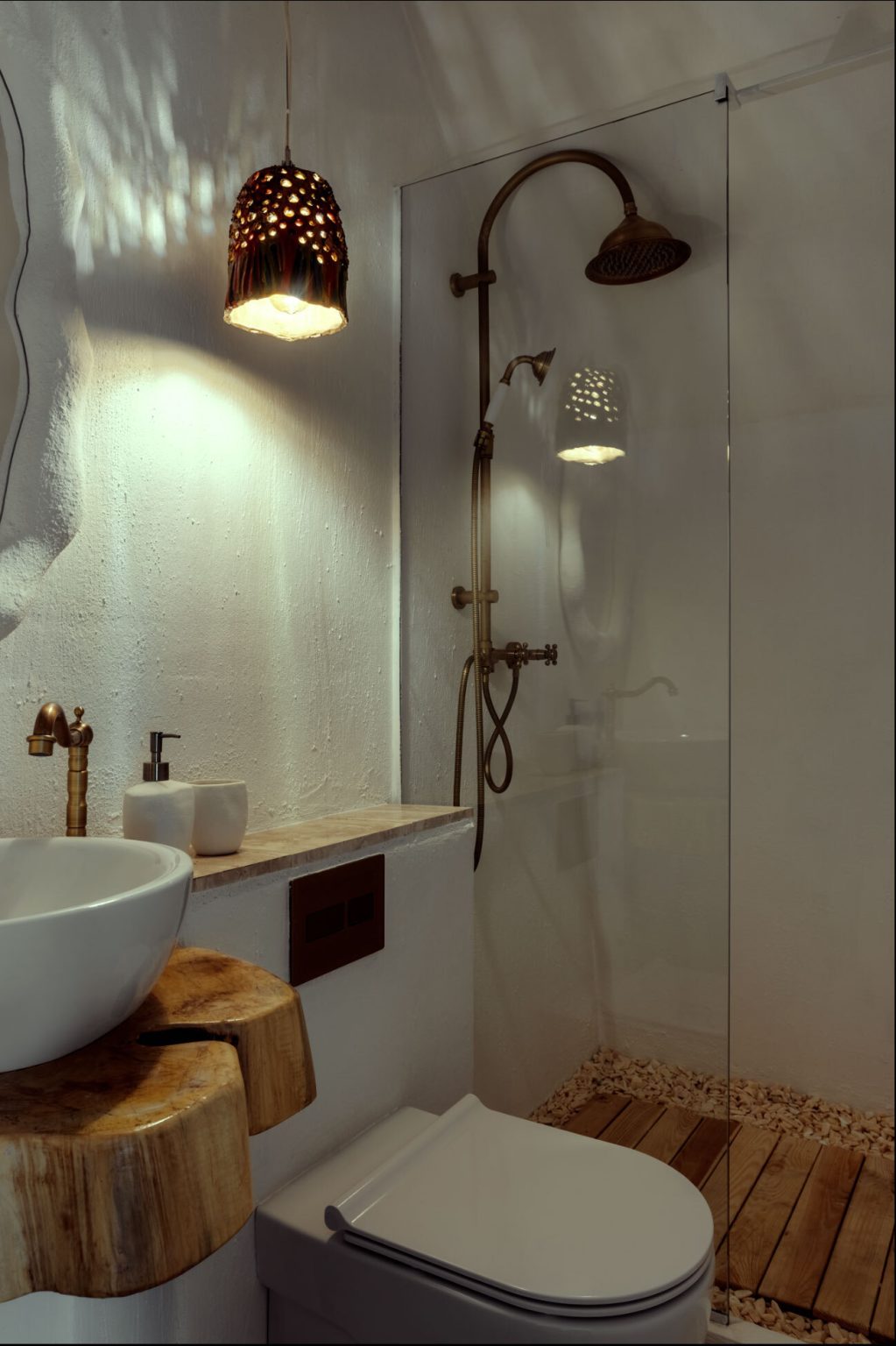
climatisation ni chauffage excessif. Les artisans locaux ont façonné chaque cabane, de la charpente aux meubles en passant par les détails décoratifs. Ils ont également conçu les toits végétalisés pour résister au climat grâce à un mélange de semences locales. Au-delà de l’esthétique, le projet affirme un modèle d’écotourisme durable qui valorise les savoir-faire anciens tout en proposant une expérience contemporaine.
A small 26m2 house in Moldova, like a Hobbit's cottage
Inspired by vernacular architecture, this small 26 m2 house in Moldova resembles a Hobbit hut. Covered in earth, it belongs to a tourist estate comprising three similar huts on the edge of a lake. LH47 ARCH installed them near Chişinău. Thanks to their green roofs and straw and clay construction, they blend into the landscape. The agency designed this unusual project to combine ecotourism, ancestral know-how and contemporary design. The architects chose to partially bury them so that their shape resembles gentle natural hills.To build these cabins, the architects favoured traditional methods. They built the walls from straw bales and coated them with clay and lime, on a wooden frame. This low-tech approach contrasts with modern practices in the country, which are still dominated by concrete. The interior, bright and warm, benefits from natural thermal comfort: it stays cool in summer and warm in winter, without air conditioning or excessive heating. Local craftsmen crafted each cabin, from the framework to the furniture and decorative details. They also designed the green roofs to withstand the climate using a mixture of local seeds. Beyond aesthetics, the project promotes a model of sustainable ecotourism that values traditional skills while offering a contemporary experience.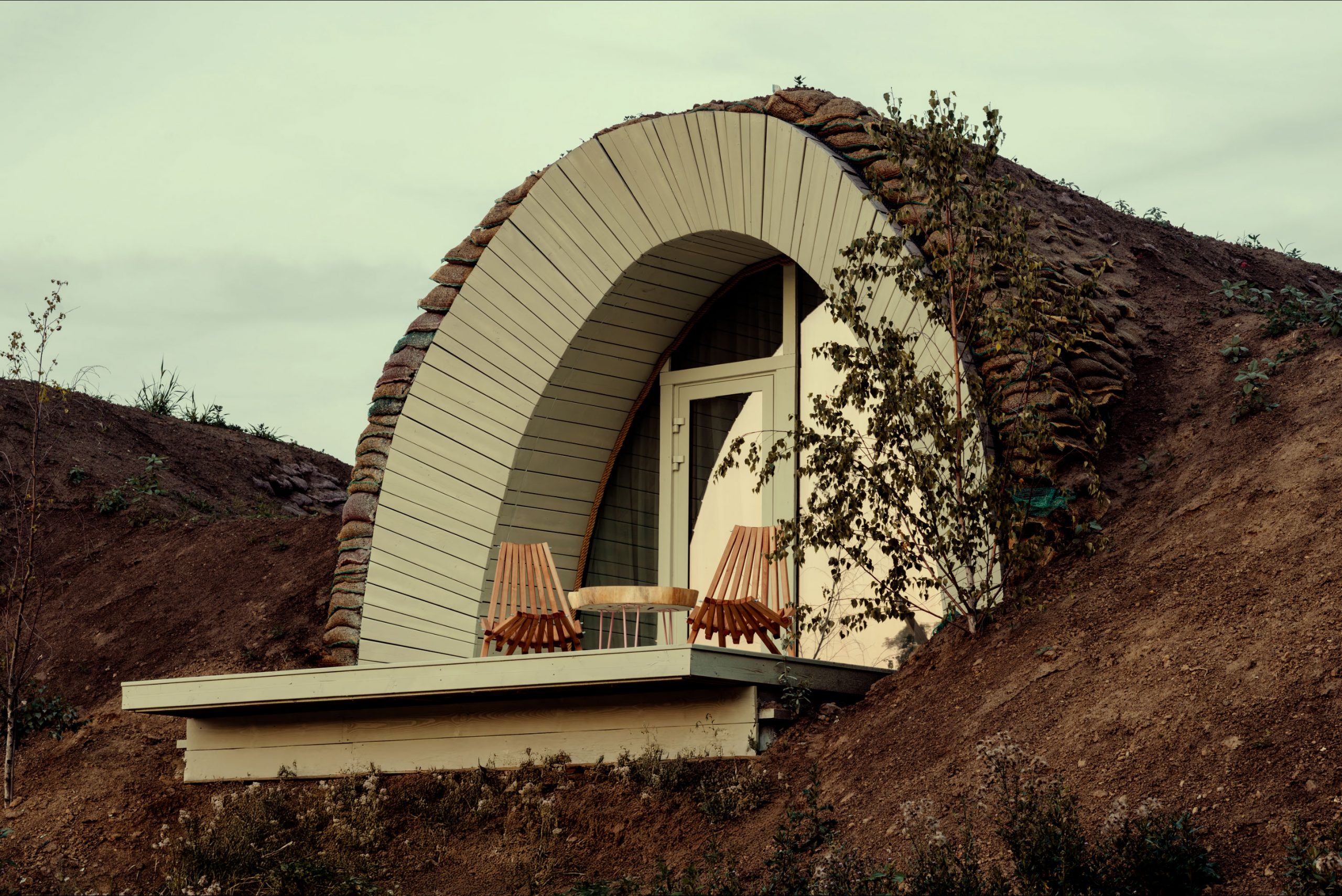














Commentaires